



.png)


Specialist Chairs for Huntington's Disease
Specialist seating designed to improve comfort, posture and independence
For people living with Huntington's disease, changes in movement, balance and posture can make sitting more challenging. Involuntary movements, stiffness and reduced coordination may make it difficult to stay comfortably positioned. A specialist chair can provide greater support and stability, helping maintain a secure sitting position and make repositioning easier.
.png)


Exceptional quality and service”



How specialist seating helps people with Huntington’s Disease
Huntington's disease can affect movement, balance, posture and muscle control, making everyday sitting, standing and transfers more challenging. Specialist seating can provide tailored support and positioning, helping an individual feel more comfortable and secure.
.jpg)
Supports body alignment
Helps maintain a more stable and aligned sitting position, providing appropriate support for the head, trunk and pelvis.
Supports posture and positioning
Provides support where changes in muscle control, involuntary movements or reduced postural stability make it difficult to maintain a comfortable sitting position.
Enhances comfort
Supportive cushioning and appropriate positioning can help improve comfort.
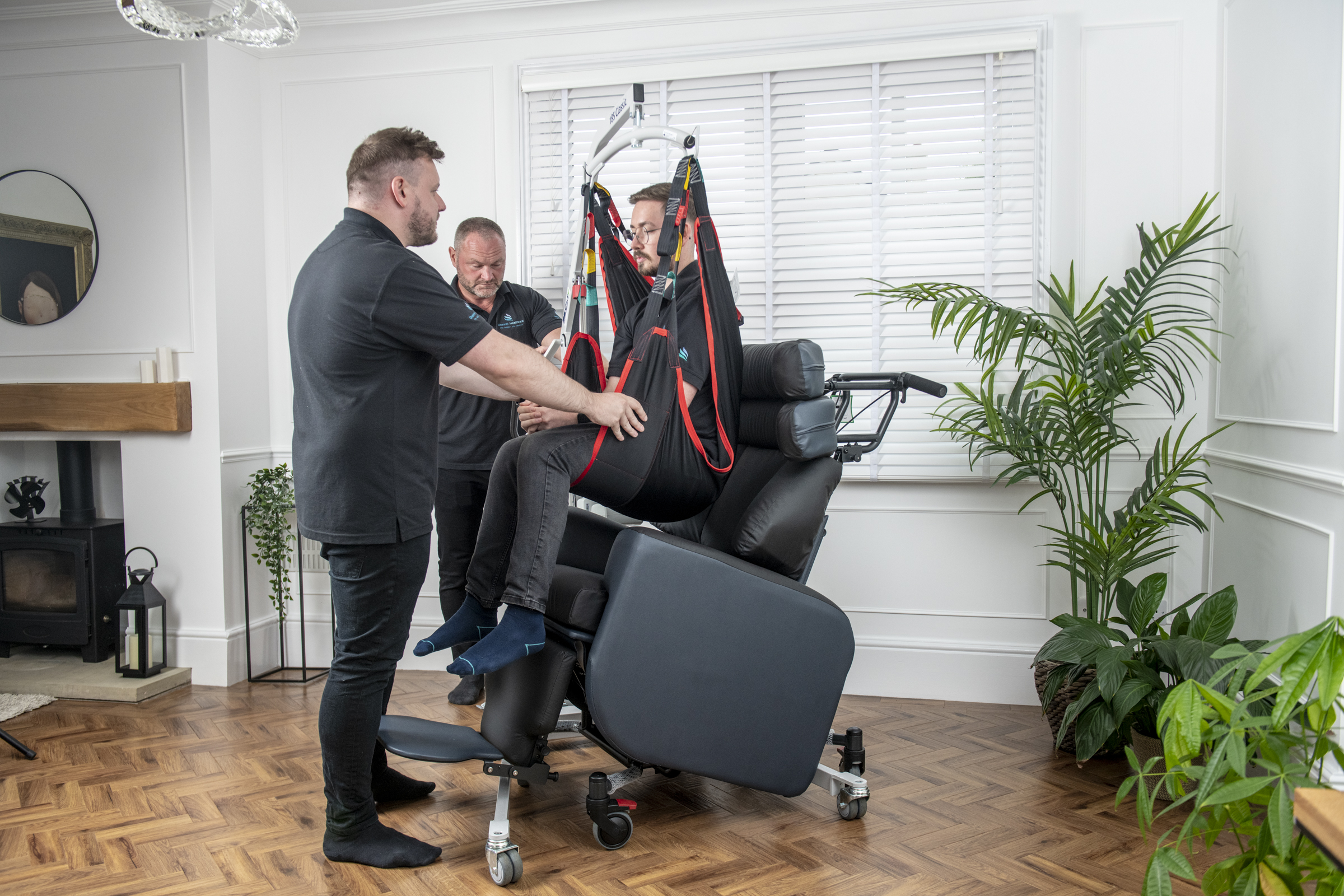
Assists safer transfers
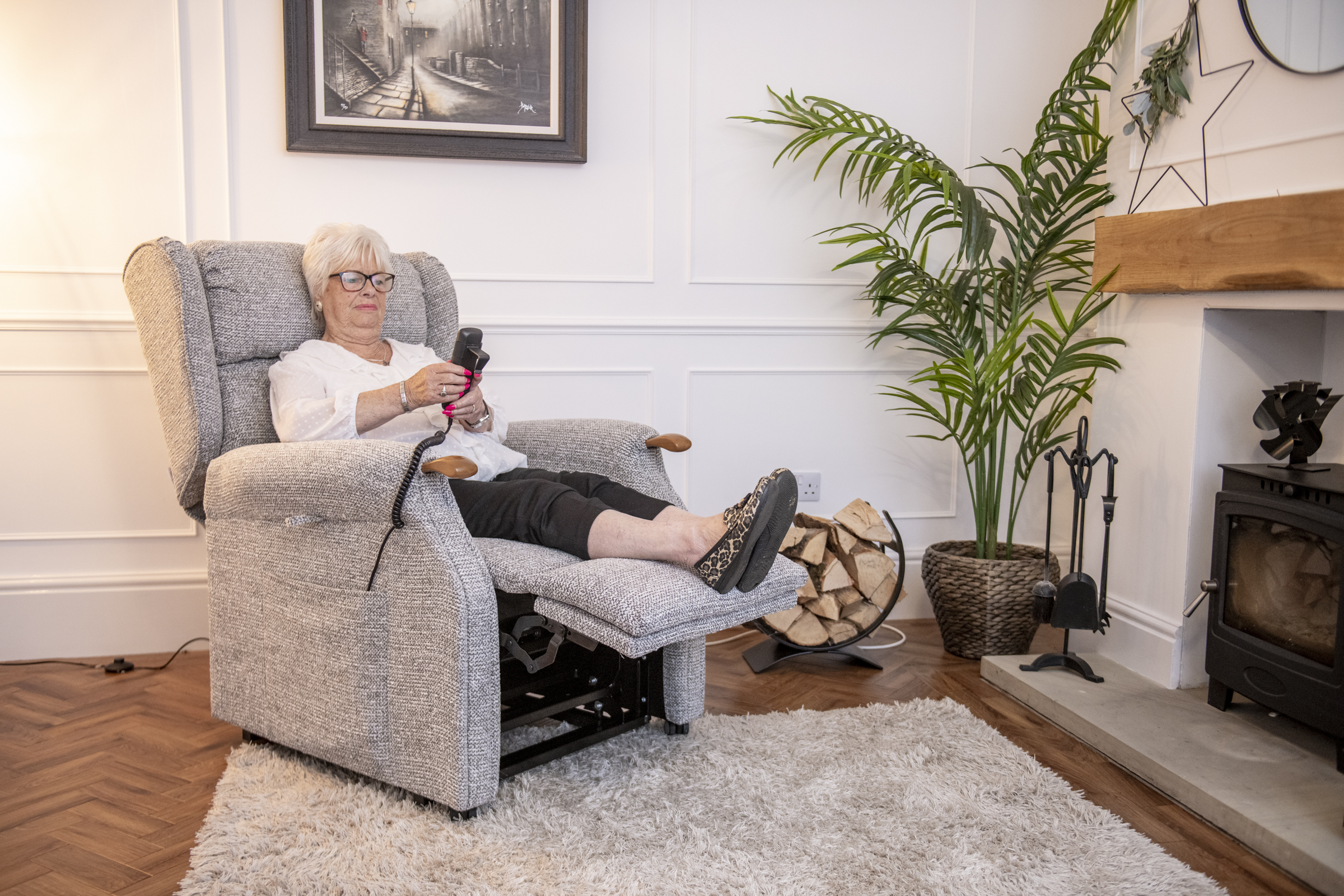
Rise and recline functions can make sitting down and standing up easier for people experiencing changes in strength, balance or mobility.
Provides greater stability
Helps an individual feel more secure when seated, particularly where involuntary movements, balance difficulties or changes in postural control affect sitting stability.
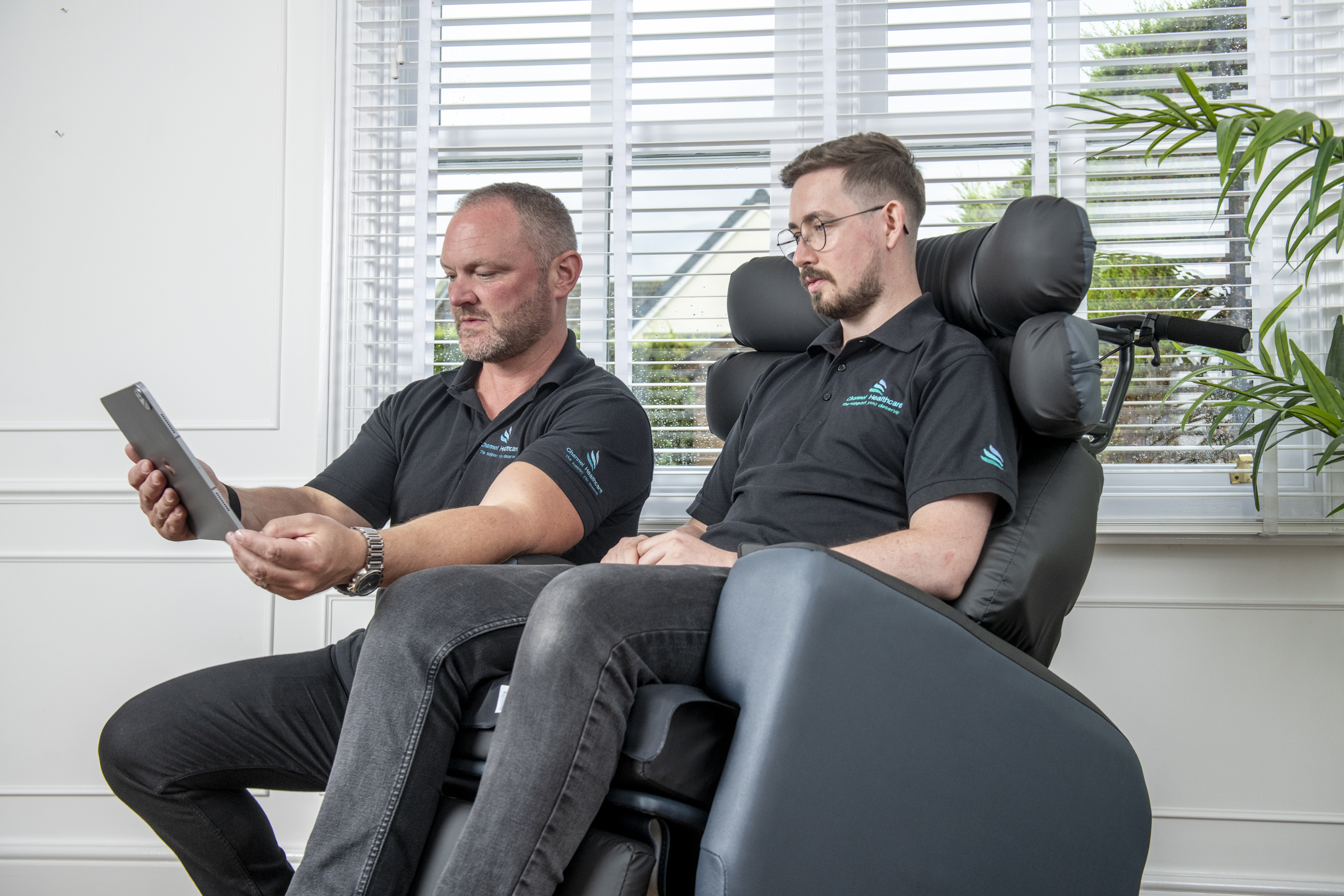
Adapts to changing needs
Provides flexibility as posture, mobility, comfort and support requirements change.
Finding a Specialist Chair That Suits Your Needs
For people living with Huntington's disease, it is important to consider how the chair accommodates movement, posture, mobility and transfer needs. If you're looking for a Huntington's disease chair, browse our range below or use our Chair Selector Tool to find a suitable option based on posture, mobility, comfort and support needs.
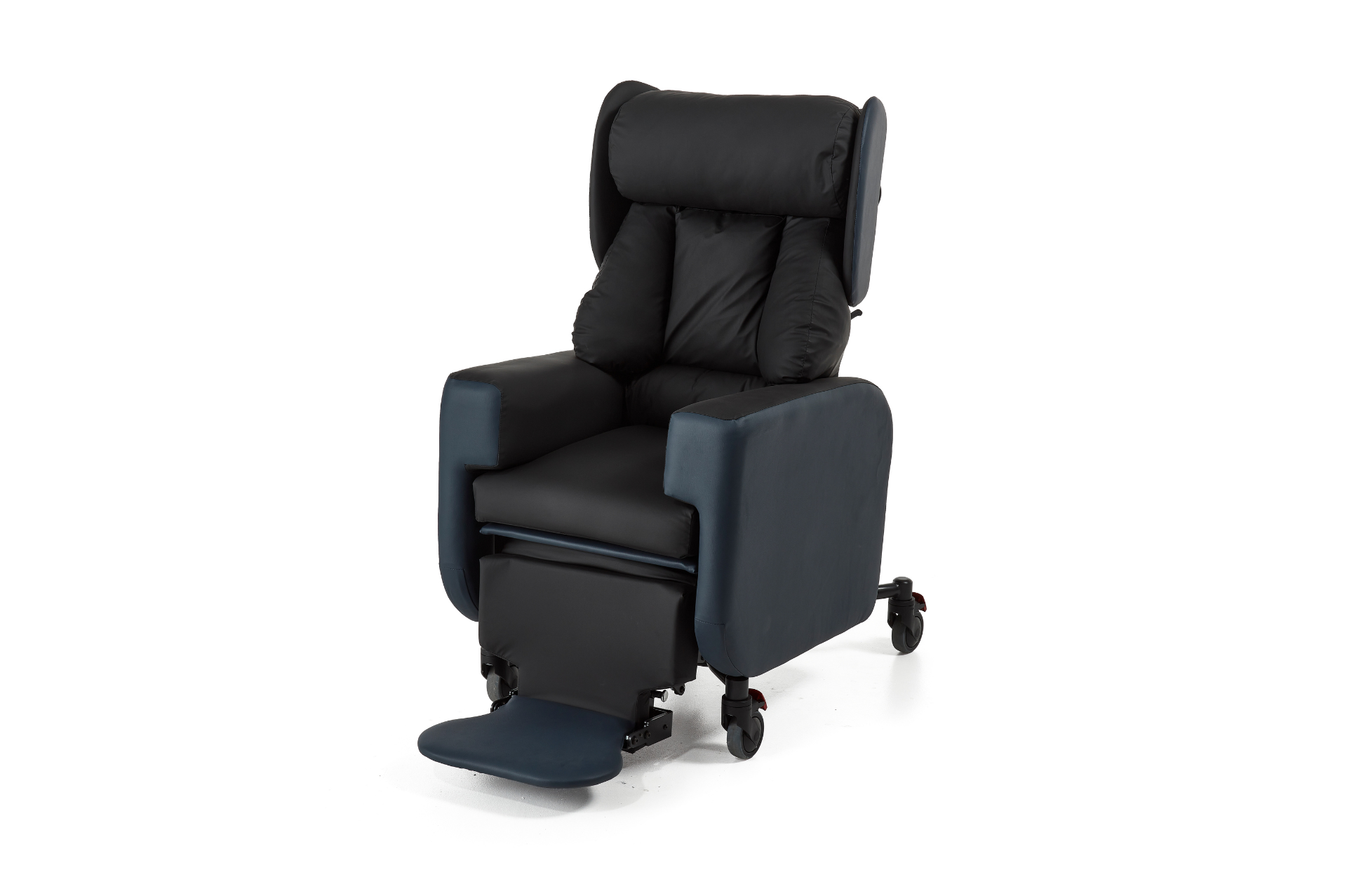
Tri-Chair Two Specialist Chair
The latest in specialist seating design, with enhanced back and trunk support for comfort, postural management and pressure care in one clinically robust chair.
Perfect for:
- Back/Spine Issues
- Posture Issues
- Leg/Hip Issues
- Difficulty with Movement
- Arm/Shoulder Issues


Omega Specialist Chair
Robust and durable, with a sculpted back and contoured seat to support users with complex needs, fatigue and high levels of postural requirement.
Perfect for:
- Back/Spine Issues
- Posture Issues
- Difficulty with Movement
- Support/Body Repositioning Requirements
- Pressure/Skin Fragility Issues

Alpha Extra Specialist Chair
Infinite positioning options with support, security and relaxation for semi-ambulant and non-ambulant users with a wide range of complex needs.
Perfect for:
- Back/Spine Issues
- Posture Issues
- Difficulty with Movement
- Support/Body Repositioning Requirements
- Pressure/Skin Fragility Issues
.webp)
Platinum Bespoke Riser Recliner
Built exclusively for you, with endless customisation options, a wide range of accessories and matching sofas, the ultimate in personalised seating.
Perfect for:
- Back/Spine Issues
- Posture Issues
- Leg/Hip Issues
- Difficulty with Movement
- Arm/Shoulder Issues

Manage involuntary movements
Secure positioning and supportive cushioning help manage involuntary movements, providing stability and reducing the risk of injury.
Postural support
Advanced postural support systems accommodate changing body positioning needs as the condition progresses, maintaining comfort throughout.
Enhanced safety and dignity
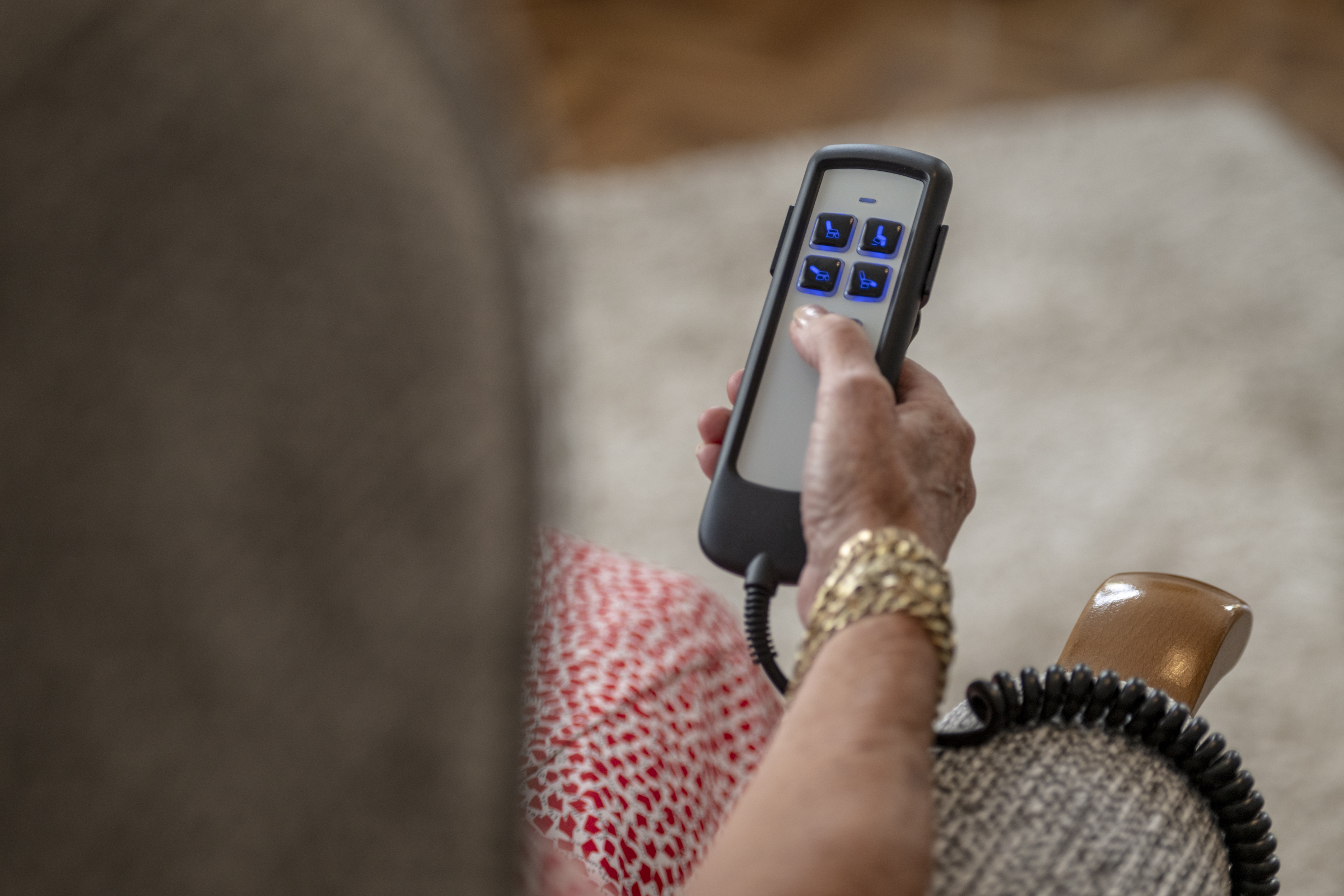
Safety features and easy-to-use controls help maintain independence while reducing fall risk and supporting quality of life with dignity.
Living with Huntington's Disease means managing involuntary movements, changing postural needs and progressive mobility challenges. Our range of chairs for users with Huntington's Disease are specifically designed to provide secure positioning, stability and comfort as the condition evolves.
Every element from enhanced lateral support to built-in pressure care, is engineered to accommodate involuntary movements safely whilst providing the comfort and dignity that users deserve, helping to maintain independence and quality of life as needs evolve.
- Enhanced lateral support to manage involuntary movements
- Secure positioning systems for safety and stability
- Adjustable postural support for changing needs
- Easy-to-operate controls as dexterity changes
- Pressure-relieving cushioning for extended sitting periods
Our process
Your home is your sanctuary. We understand that having someone in your space can be an unsettling experience, but that’s where we’re different. We’re warm, friendly and we don’t believe in the hard sell - we believe in finding a solution that meets your needs. It’s as simple as that.
And, for extra peace of mind, not only is every one of our seating specialists DBS checked, but we expect every member of our team to adhere to our strict Channel Code of Conduct. Giving peace of mind that you’ll receive the very best service, every time.
Let's Talk
We will call to discuss what you need, why you need it and explore how we can best support you.
Book a visit
One of our seating consultants will book in for a home visit, usually within 7 days of your initial call.
Home Consultation
Our seating consultant will bring a demo chair for you to try. From there, we’ll establish how we can design a chair that fits you.
Custom Sizing
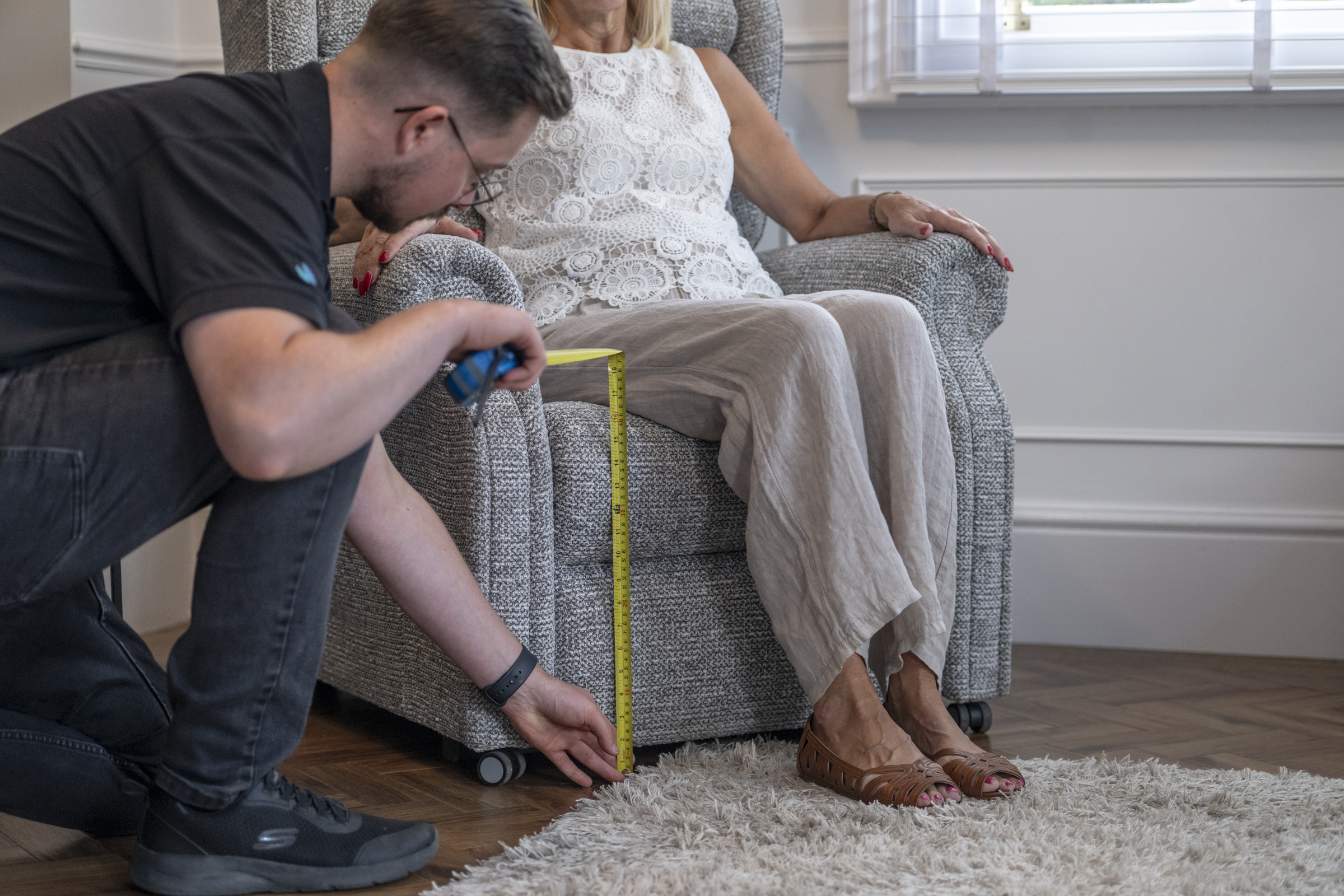
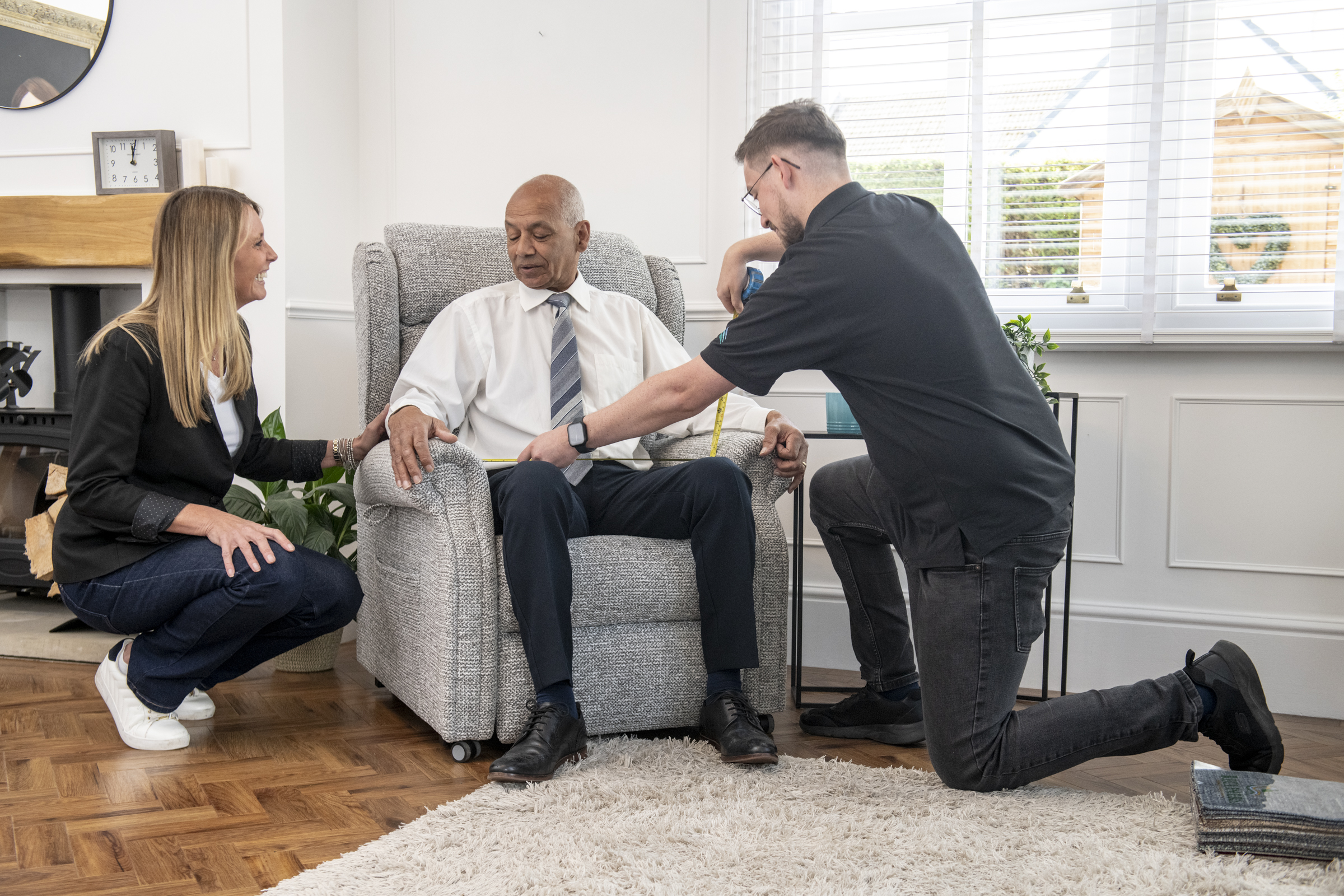
The main event! We will measure you in the chair to make sure your new chair will fit you absolutely perfectly.
No Pressure Quote
We’ll leave a quote with you to think over. No pressure. No deadlines. And, if you do decide to buy, we’ll send your order directly to the factory as soon as you’re ready.
Request a brochure
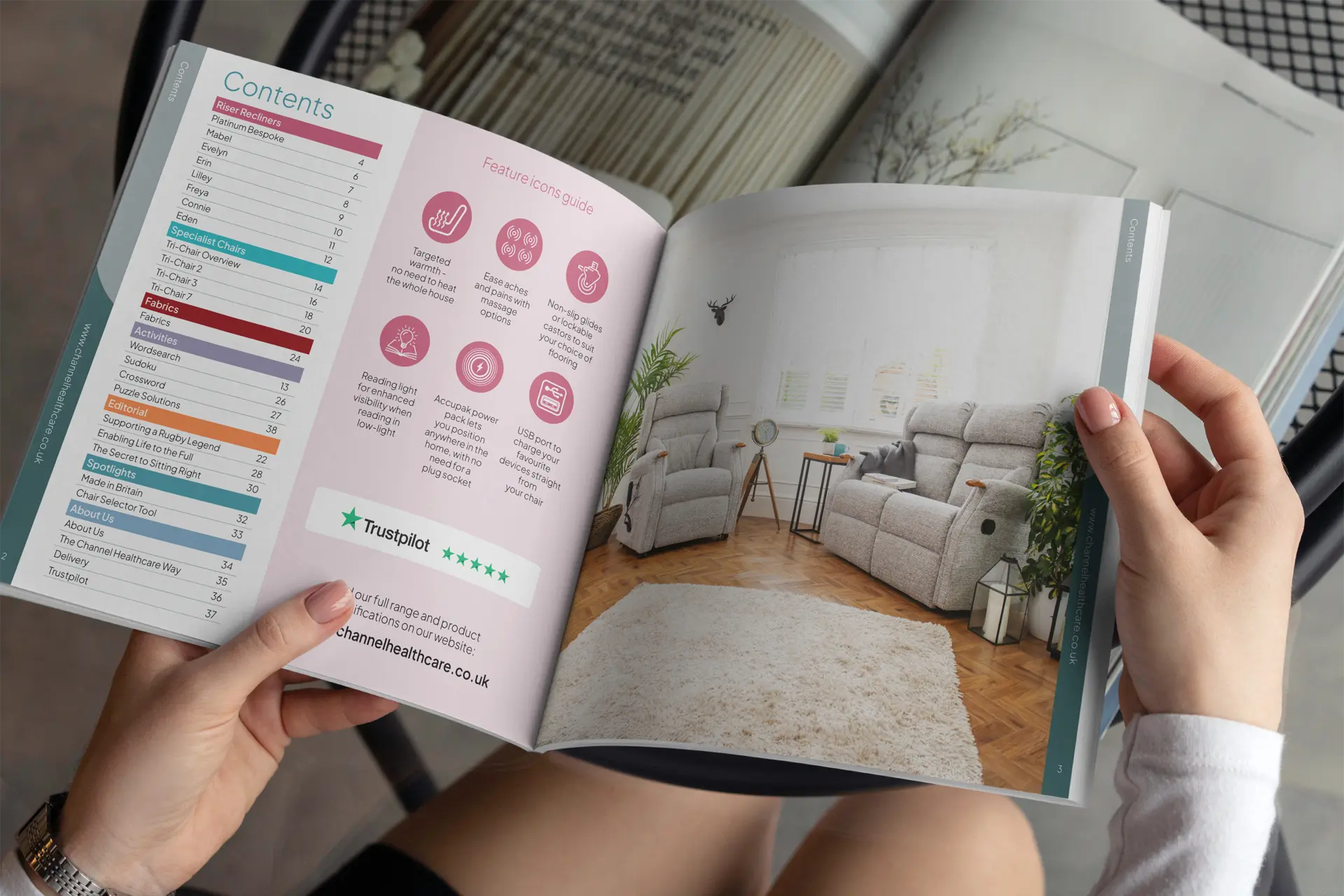
Finding the right seating solution is a deeply personal journey, and at Channel Healthcare, we believe you shouldn't have to navigate it alone.
Our brochure brings everything you need together in one place - from our full range of needs-led seating solutions (matched to you using our OT-designed Chair Selector Tool) to expert advice from our team and our network of Occupational Therapists.

Quality You Can Trust, Made in Britain
When it comes to uncompromising quality standards and top quality materials, we believe that British is best. That’s why we’re passionate about keeping as much of our process as possible right here in the British Isles.
That means that everything from our riser recliners to the components that make our seating and mobility solutions the go-to choice, are made in Britain.
Hand-built at our factories and warehouses in the UK, using market-leading British engineered steel components, every frame, every stitch and every innovative feature is hand-crafted by our team of expert craftspeople. For the highest quality, maximum comfort and a solution built for each user’s needs - every time.
Introducing our Chair Selector Tool
At Channel Healthcare, we understand that choosing the right chair is a hugely personal decision. But we also understand that it can be an overwhelming decision too.
That’s why we developed our innovative Chair Selector Tool. Designed in collaboration with Occupational Therapists, our Chair Selector Tool eases the feeling of overwhelm by helping to narrow down our extensive range of products, matching you with the products that can best support you or your loved one.
Yes. A supportive chair can reduce the effort needed to maintain a stable sitting position. Recline and positioning features can also provide opportunities to change position and rest, helping improve comfort and reduce fatigue.
Specialist seating can provide additional support and positioning for someone whose involuntary movements make it difficult to remain comfortably seated. Appropriate support around the back, pelvis and trunk may help the individual maintain a more stable position.
It can help where changes in muscle control, balance or mobility make standing and sitting more difficult. The rise function can assist with moving and the recline can help change position and rest comfortably.
The most suitable chair will depend on how Huntington's disease affects the individual. Someone experiencing poor balance or postural instability may benefit from additional positioning and trunk support, while someone struggling with transfers may benefit from a rise and recline function. Pressure-relieving seating and other specialist features may also be appropriate where someone spends long periods sitting.
An Occupational Therapist may assess posture, pelvic and trunk stability, muscle tone, involuntary movements, balance, coordination, muscle strength, mobility and range of movement. They may also consider how safely the individual can transfer, how long they can comfortably sit and whether they have any pressure care needs. The person's home environment and the support available from carers are also important considerations.
Huntington's disease can affect muscle control, coordination, balance and posture, which can make maintaining a stable sitting position difficult. Involuntary movements can cause unexpected shifts, and stiffness or reduced muscle control can make repositioning difficult.
Not everyone with Huntington's disease will need specialist seating. Changes in muscle control, balance, posture and coordination can make a standard chair increasingly difficult to use. Involuntary movements, muscle stiffness or weakness may make it harder to remain sitting in a safe and comfortable position.

Find out how we can support your journey towards greater comfort and independence.