


.png)

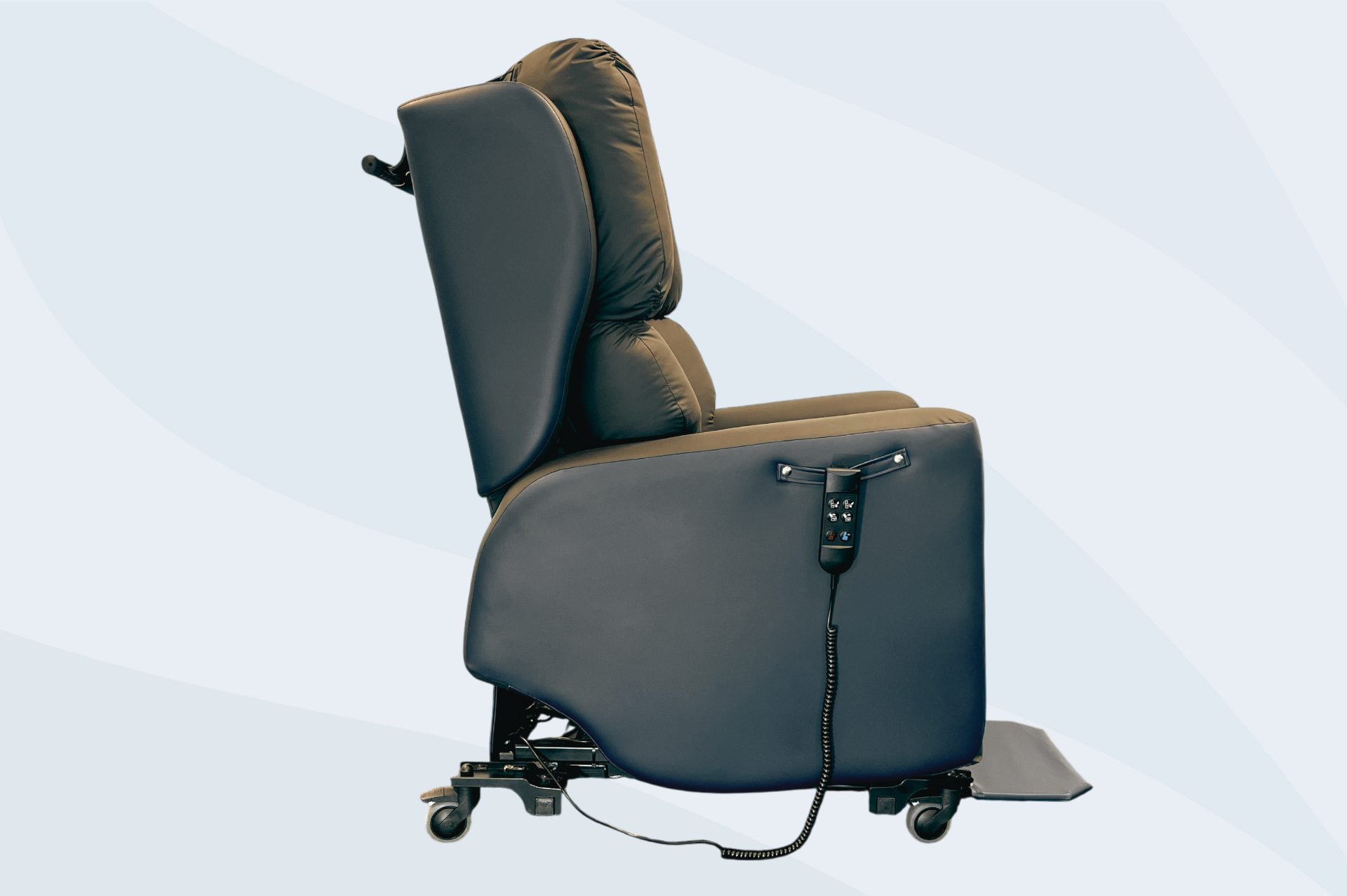
Tri-Chair 7 Specialist Chair
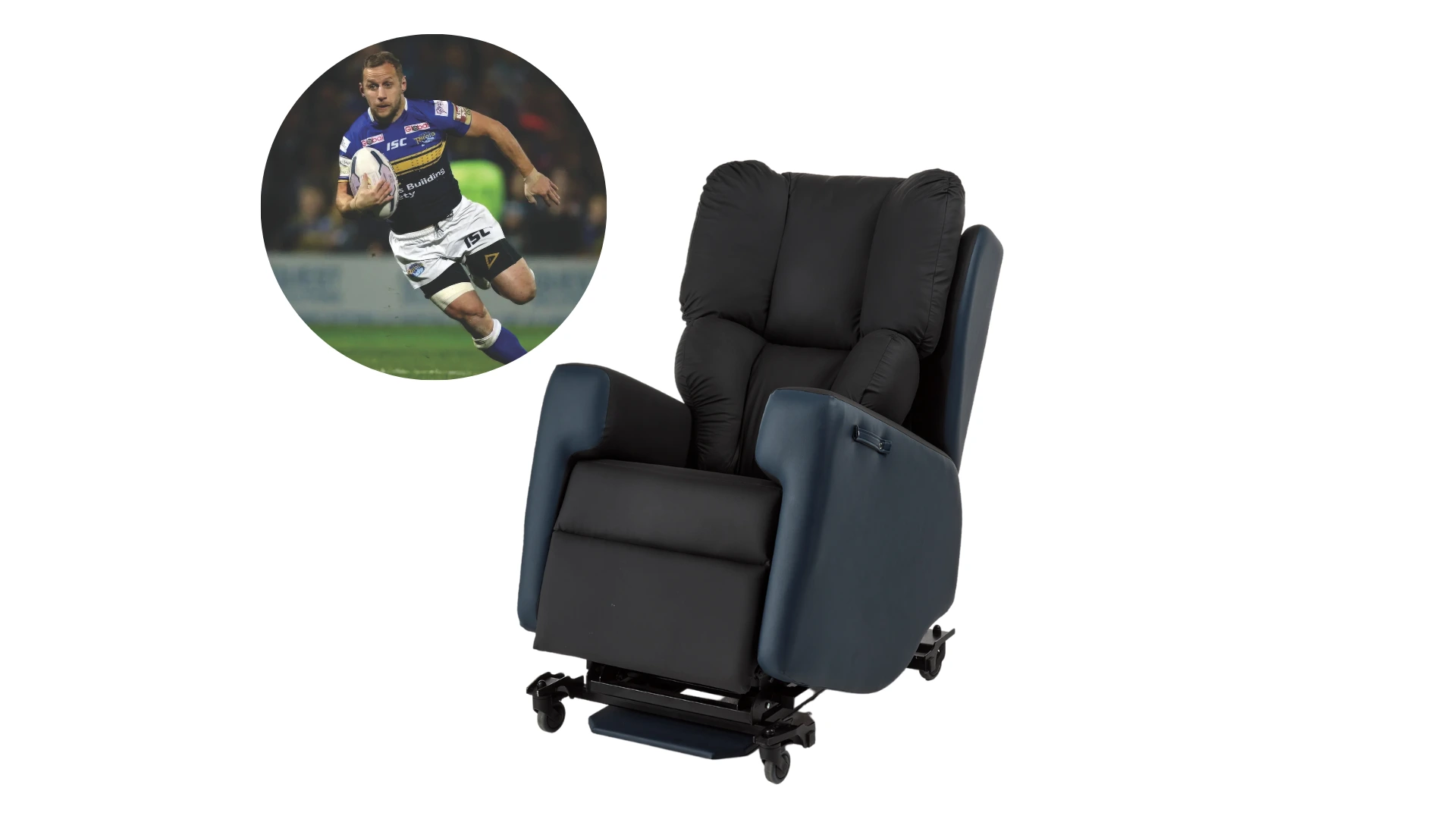
Sara-Steady compatible. Dual or triple motor. Inspired by Rob Burrow CBE.
Inspired by our collaboration with the remarkable Rob Burrow CBE, the Tri-Chair 7 offers exceptional durability, adaptability and effortless manoeuvrability for semi-ambulant and non-ambulant users. Engineered for maximum flexibility, the chair’s adjustable seat-width, depth and lateral back cushion not only makes it simple to tailor the chair to unique user needs, but helps users to maintain a strong mid-line sitting position for eating and communication.
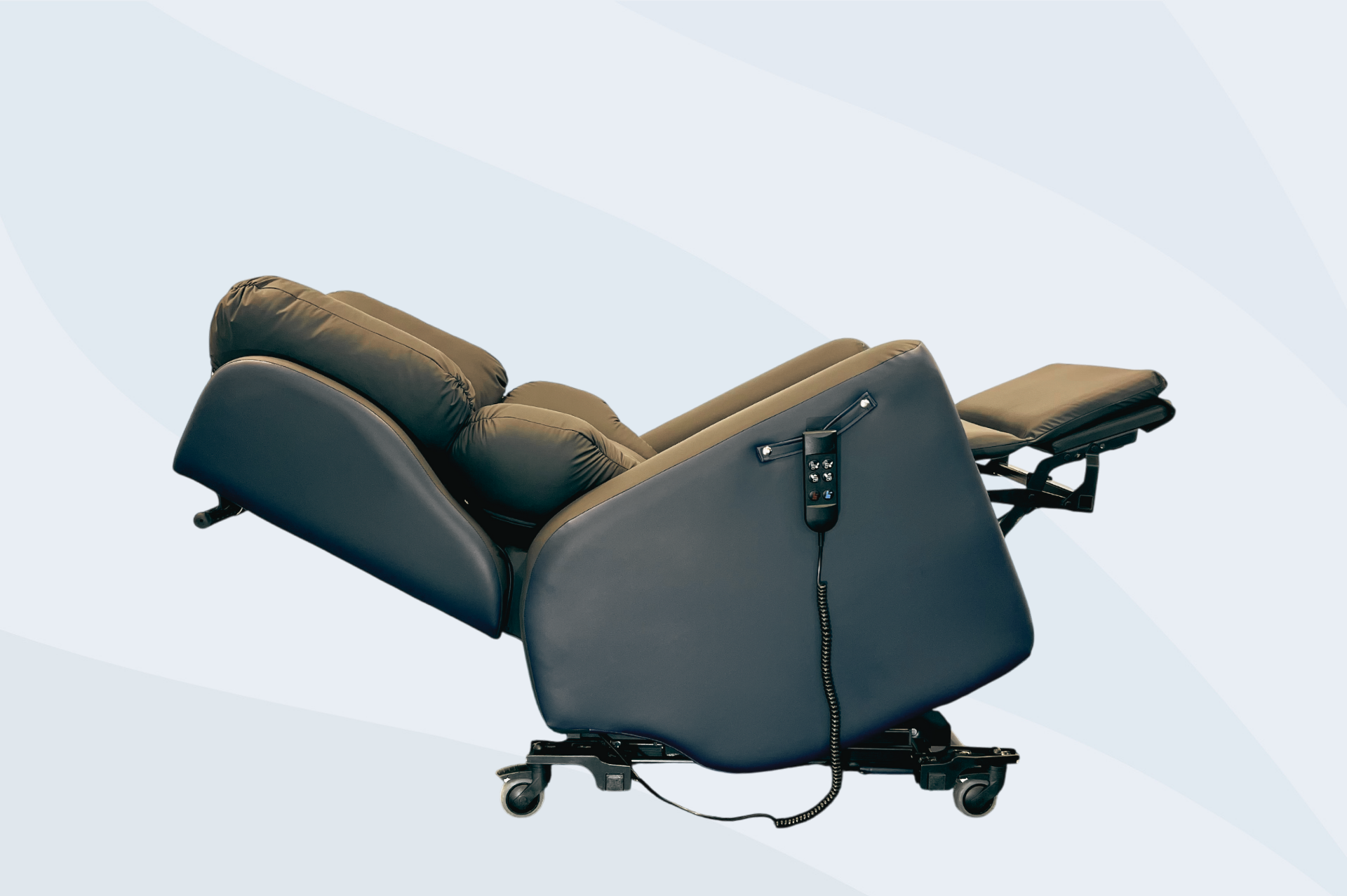
Tilt-in-Space functionality and compatibility with Sara-Steady transfer aids ensure seamless and comfortable transfers, ensuring the Tri-Chair 7 meets the demands of a range of modern care settings.
- Tilt-in-Space mechanism redistributes body weight and relieves pressure, with independent back recline for a wider range of clinical positioning options
- Overlapping lateral support back cushions maintain a centred midline sitting position, directly supporting eating, communication and daily engagement
- Dual or triple motor options with battery back-up as standard, providing motorised positioning control with built-in resilience against power interruption
- Sara-Steady transfer aid compatible, designed for seamless, safe transfers without compromising the chair’s positioning or requiring workarounds
- Portering-ready design and lockable castors enable a smooth, stable glide through clinical and care environments without disrupting the user’s position
- Slide-out, weight-bearing footplate provides a stable, load-bearing surface that extends to support the user’s feet during transfers and repositioning
Inspired by Channel Healthcare’s work with Rob Burrow CBE, the Tri-Chair 7 combines Sara-Steady compatibility, dual or triple motor control with battery back-up, and lateral midline support in a portering-ready specialist chair - built to meet the most demanding care environments without compromise.



.png)
Why choose a chair?

Why choose a chair?
Your chair, bespoke to you
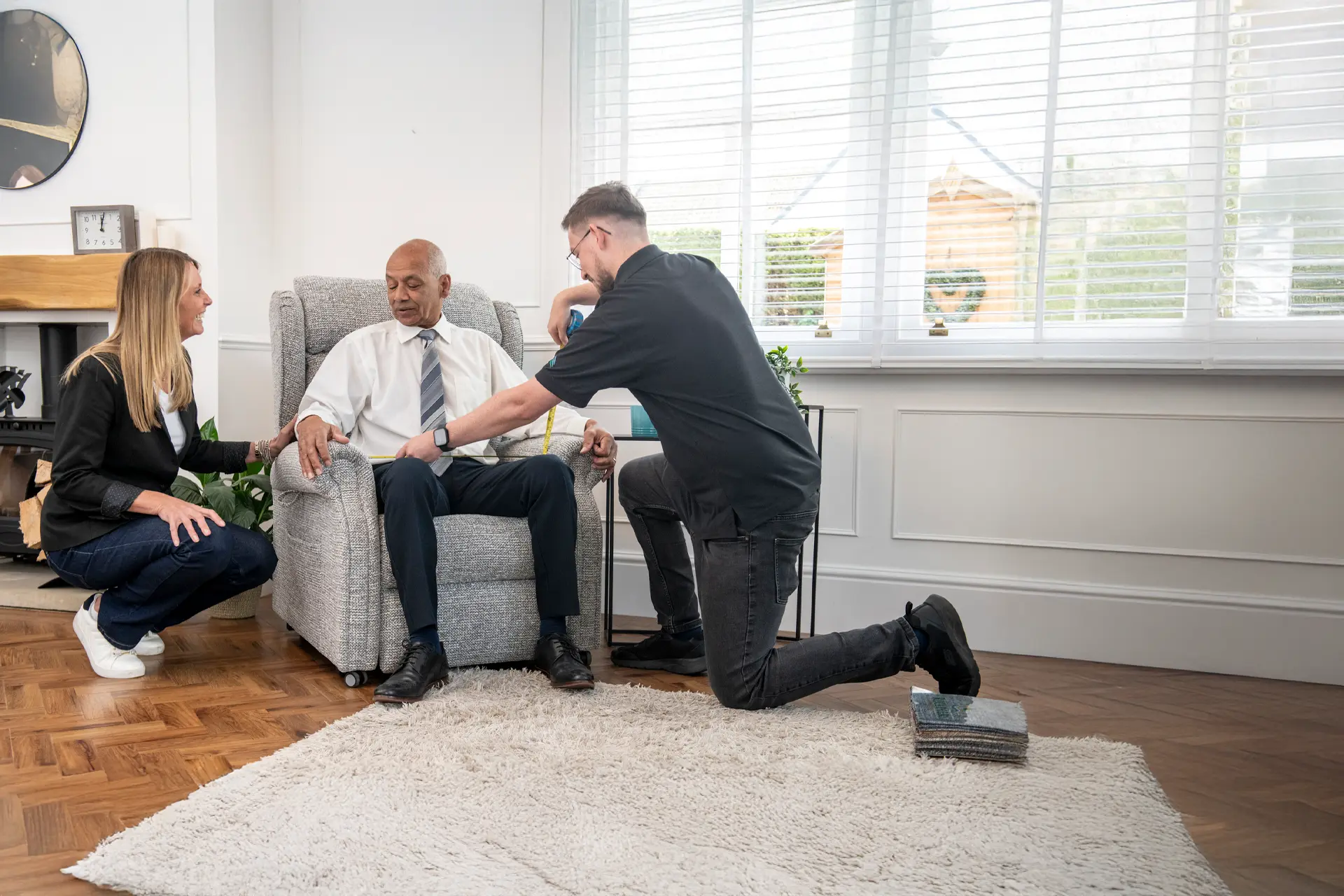
Working in close collaboration with Occupational Therapists, Channel Healthcare ensures that seating isn’t just off-the-shelf. Every seating consultation with a Channel Healthcare seating consultant combines clinical insight with emotional understanding. Every chair in the range is built (or adjusted) with your body, your health, and your lifestyle in mind.
Finding the right fit
A Clinically Informed Approach
Listen and Assess
Pressure Mapping & Posture

Tailored Recommendations
Fine Tuning
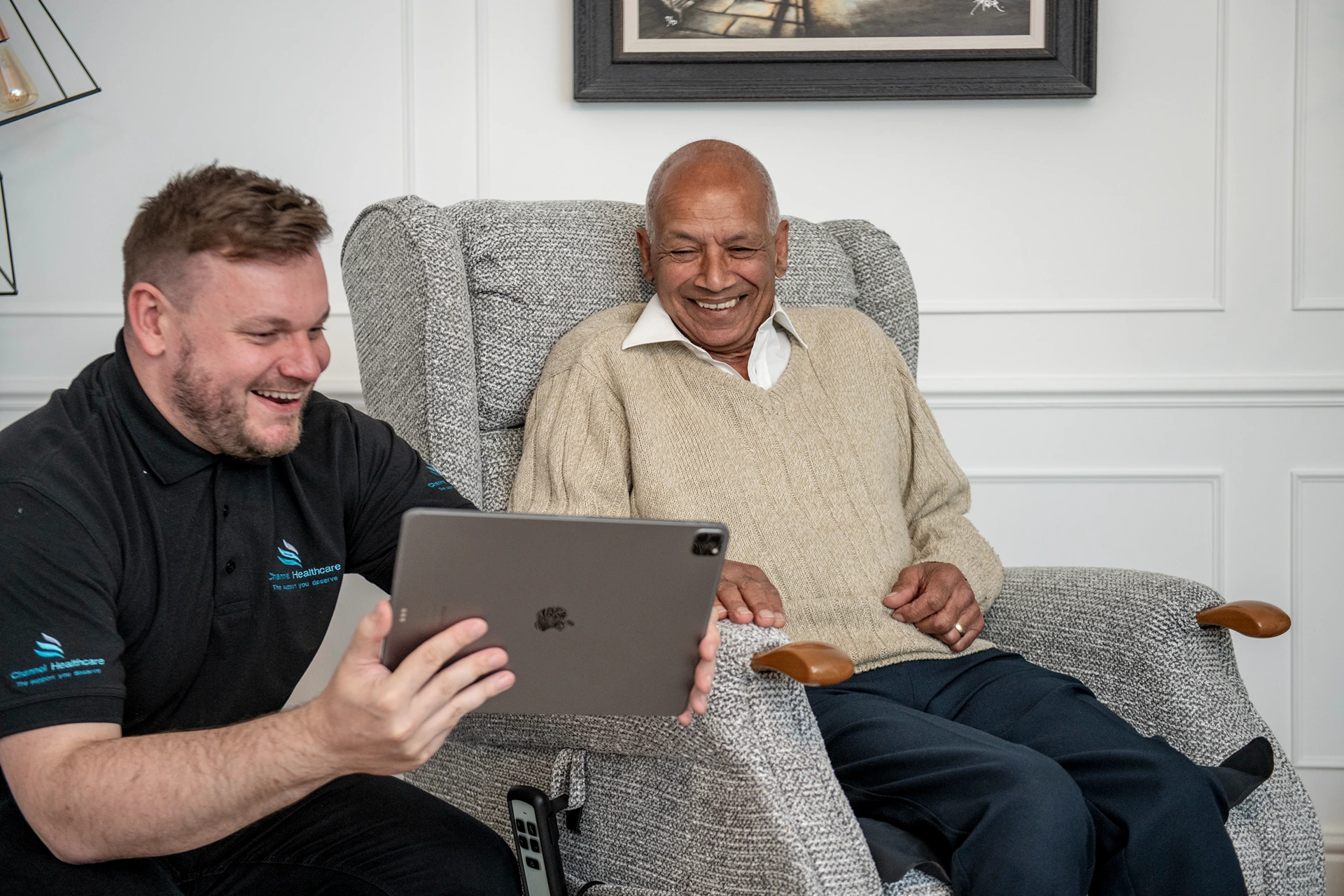
A Clinically Informed Approach
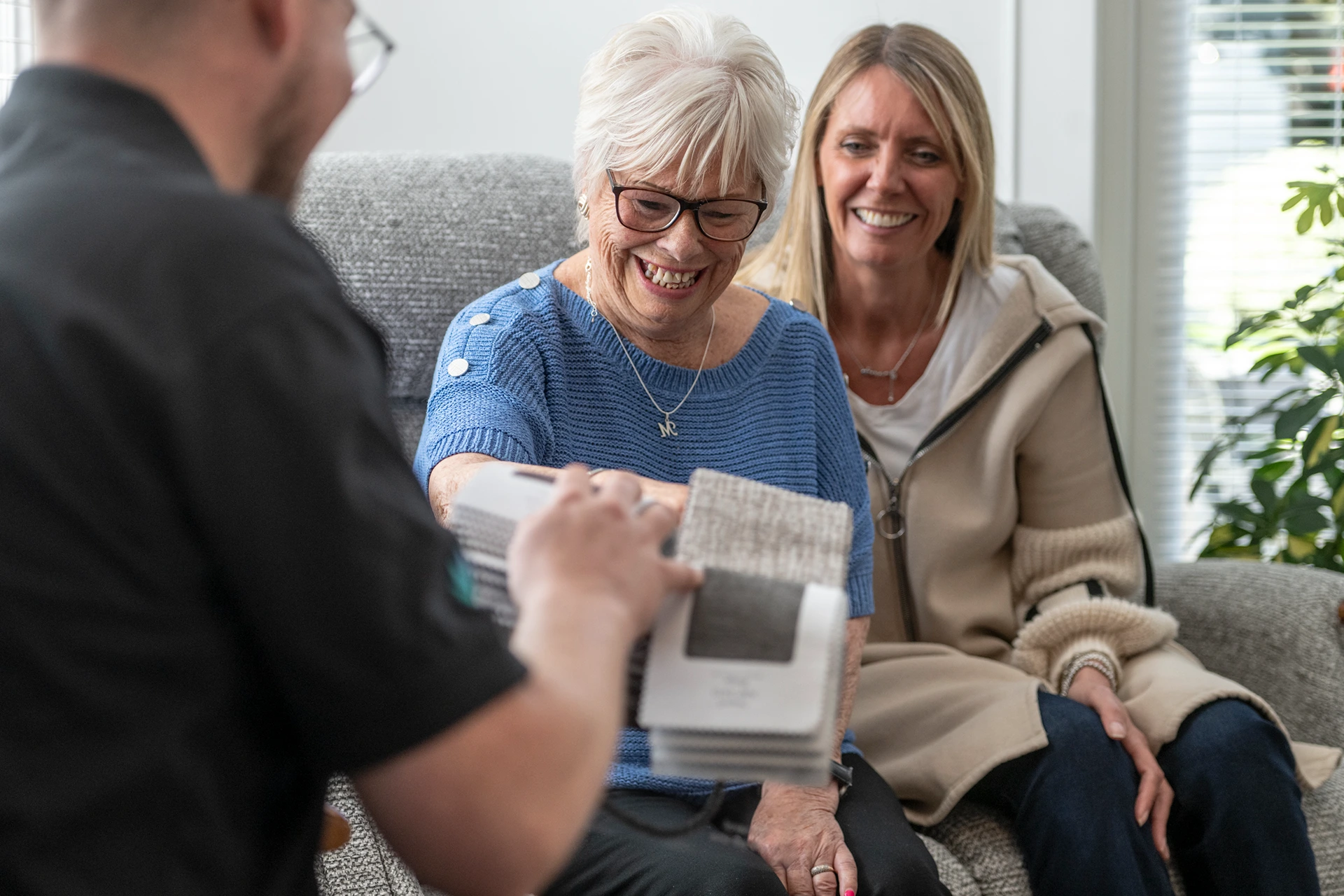
Listen and Assess
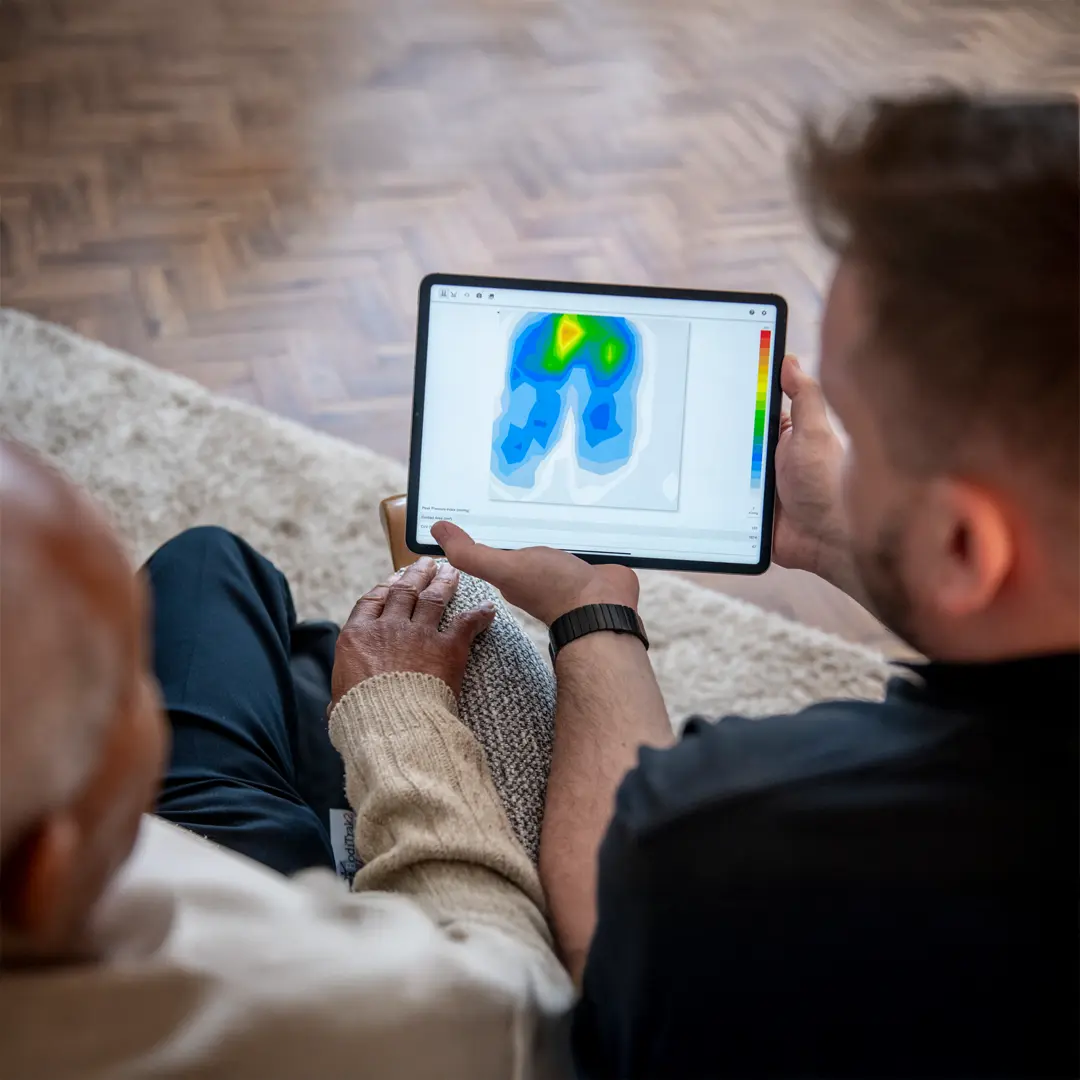
Pressure Mapping & Posture
Tailored Recommendations
Fine Tuning
Request a Brochure
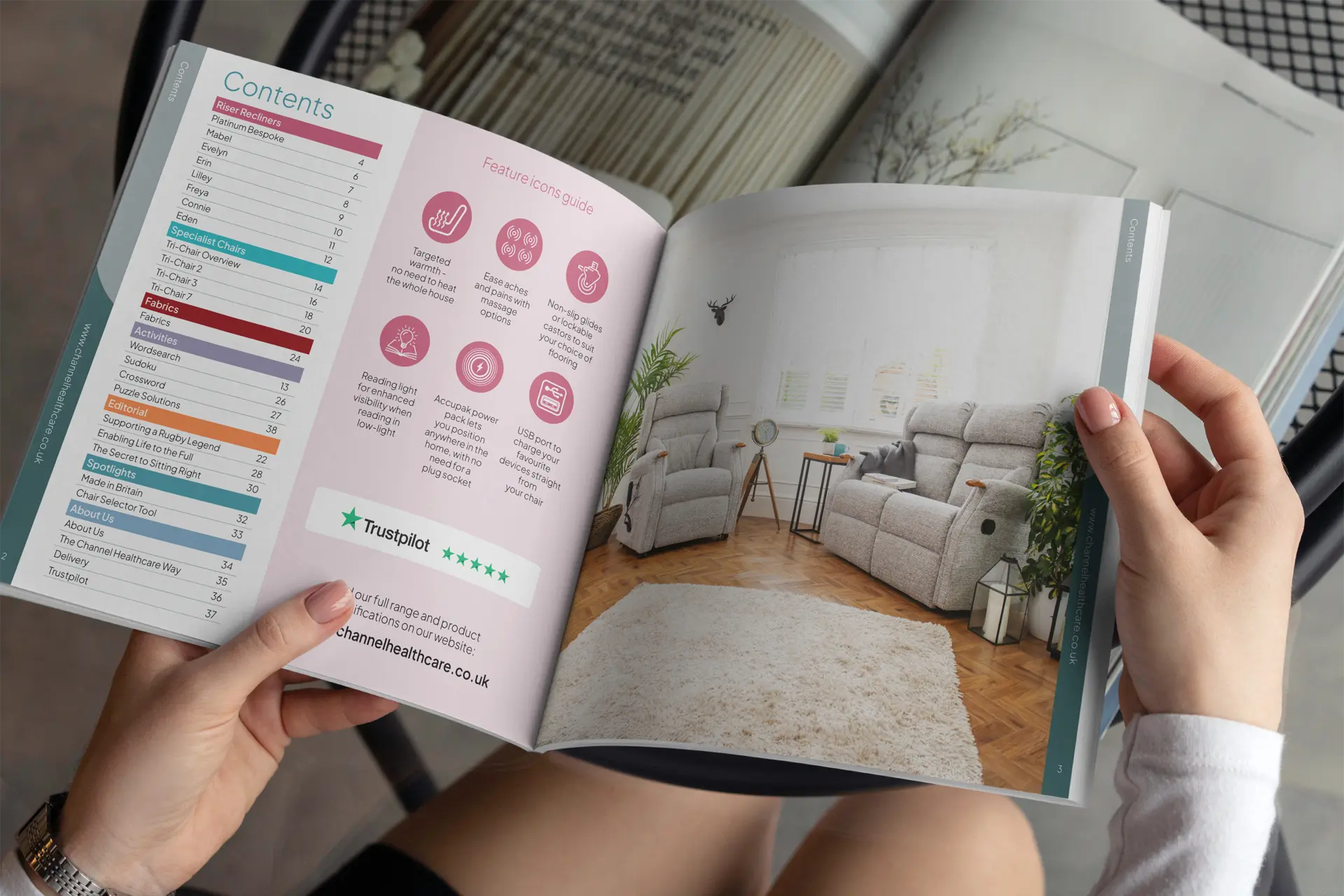
Finding the right seating solution is a deeply personal journey, and at Channel Healthcare, we believe you shouldn't have to navigate it alone.
Our brochure brings everything you need together in one place - from our full range of needs-led seating solutions (matched to you using our OT-designed Chair Selector Tool) to expert advice from our team and our network of Occupational Therapists.
Our process
Your home is your sanctuary. We understand that having someone in your space can be an unsettling experience, but that’s where we’re different. We’re warm, friendly and we don’t believe in the hard sell - we believe in finding a solution that meets your needs. It’s as simple as that.
And, for extra peace of mind, not only is every one of our seating specialists DBS checked, but we expect every member of our team to adhere to our strict Channel Code of Conduct. Giving peace of mind that you’ll receive the very best service, every time.
Let's Talk
We will call to discuss what you need, why you need it and explore how we can best support you.
Book a visit
One of our seating consultants will book in for a home visit, usually within 7 days of your initial call.
Home Consultation
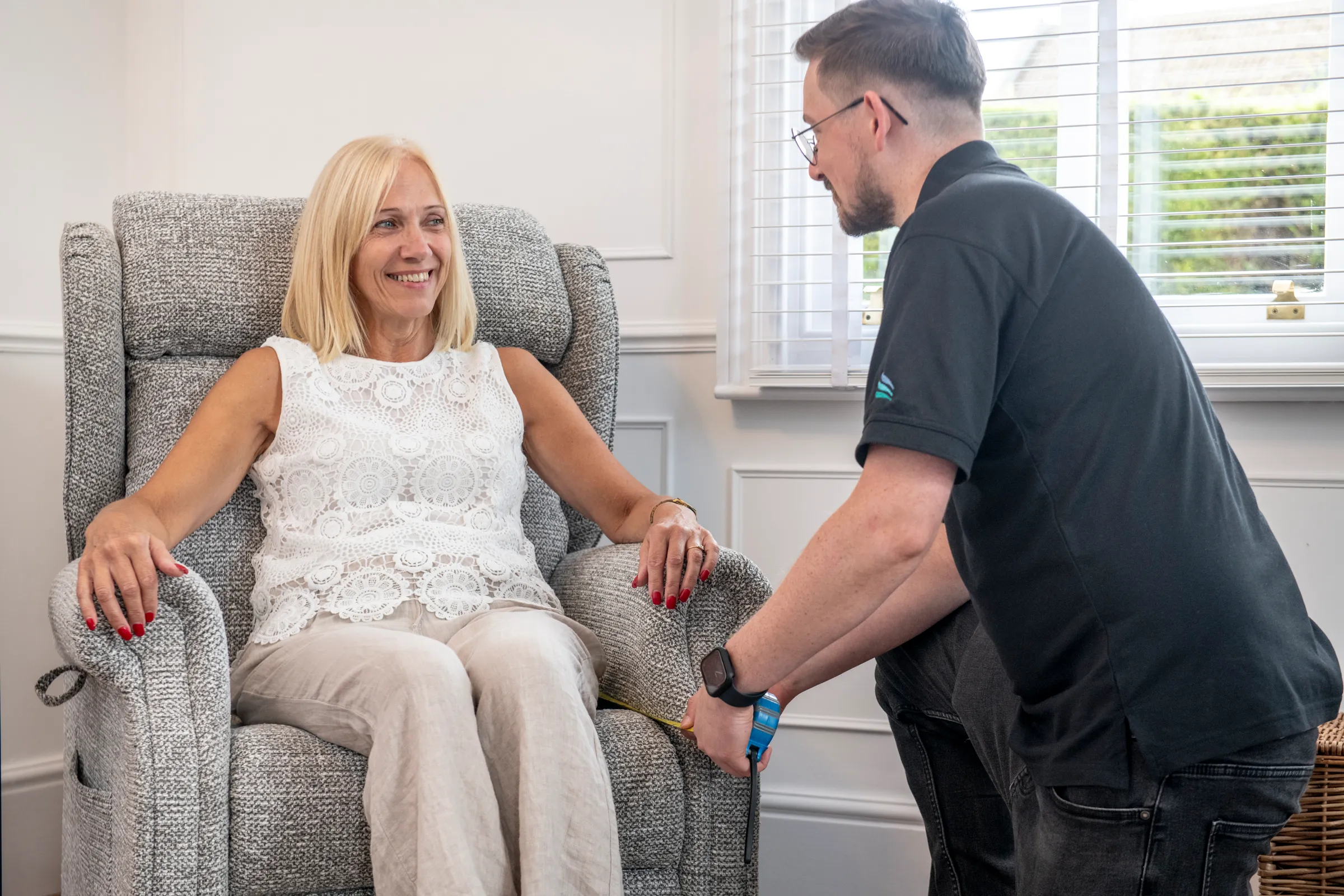
Our seating consultant will bring a demo chair for you to try. From there, we’ll establish how we can design a chair that fits you.
Custom Sizing
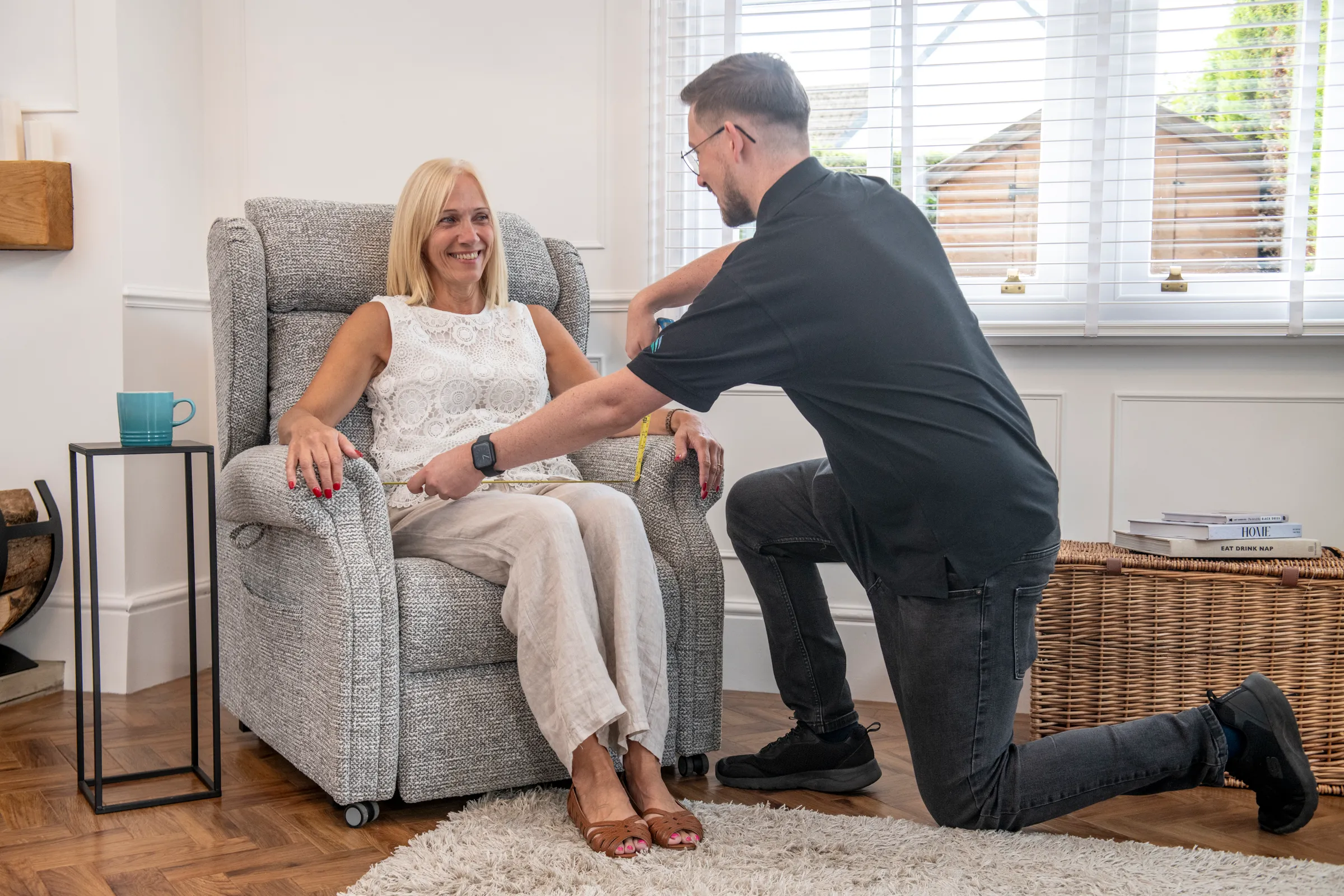
The main event! We will measure you in the chair to make sure your new chair will fit you absolutely perfectly.
No Pressure Quote
We’ll leave a quote with you to think over. No pressure. No deadlines. And, if you do decide to buy, we’ll send your order directly to the factory as soon as you’re ready.
Delivery - the Channel Healthcare way

An appointment time that suits you

Our delivery team

Unpacking your chair
We'll build it
The handover
An appointment time that suits you
Our delivery team
Unpacking your chair
We'll build it
The handover
Your Next Step to Better Seating
With three decades of industry experience, our team of knowledgeable seating consultants understand that everyone’s experience is unique.
Whether you’re adapting to a new way of life, living with a long-term condition or caring for someone who needs extra support, we’re here to listen. We collaborate with individuals, families, occupational therapists and local authorities to create bespoke, needs-led solutions, no matter how complex – without pressure or hard sales tactics.
Investing in the right seat now isn’t just about comfort - it’s about caring for your future self. Let’s get you sitting right, feeling better and supported every step of the way.
Product FAQ's
Yes. Every Tri-Chair 7 is delivered as part of our white-glove service. Our trained delivery team will bring the chair into the room of your choice, assemble it fully, and remove all packaging. We will then give you and any carers a complete demonstration of every feature — Tilt-in-Space, back recline, legrest, split-wing headrest, any accessories and the electric upgrade if fitted — so everyone involved in the user’s care feels confident operating the chair safely and correctly from day one. We deliver and install across the whole of the UK.
The most effective starting point is a free home visit from one of our seating consultants, usually arranged within 7 days of your initial call. Our consultants are experienced in working alongside Occupational Therapists, moving and handling coordinators and care teams to ensure the assessment reflects the full picture of the user’s needs — including transfer methods, care environment and any progressive elements of their condition. You can call us on 0800 193 2524, request more information online, or ask your Occupational Therapist about a joint referral. Our online Chair Selector Tool also allows you to filter by condition, symptoms, height and weight to generate initial recommendations before booking a visit.
The Tri-Chair 7 is particularly well suited to users managing Motor Neurone Disease, where the combination of Sara-Steady compatibility, motorised positioning, battery back-up, midline lateral support and portering-ready design addresses the full spectrum of MND’s progressive demands on seating and care. It is also appropriate for users with Acquired Brain Injury, Alzheimer’s Disease, stroke, COPD, heart disease, cardiopulmonary conditions and obesity-related mobility limitations. The chair’s features, covering back and spine issues, circulation, neurological conditions, head and neck issues, posture, pressure care and support and repositioning requirements reflect the breadth of clinical scenarios it is designed to address. In all cases, the appropriate configuration of motor options, accessories and seat dimensions is determined through an individual assessment.
The overlapping lateral support back cushions on the Tri-Chair 7 are positioned on the inner sides of the backrest and extend inward to hold the user’s torso from both the left and right. This three-dimensional support helps the user maintain a centred, upright midline sitting position rather than leaning or drifting to one side. Maintaining midline position has direct functional implications beyond posture: when a user is sitting symmetrically and upright, their head is better supported, their airway is better aligned, and their visual field and arm reach are both more symmetrical. All of these factors directly support the ability to eat safely, to swallow effectively, to use communication aids and to engage with others. For users with MND, stroke or other conditions that affect postural muscle tone, this lateral containment can make a meaningful difference to quality of life and daily function.
The slide-out footplate on the Tri-Chair 7 is a footrest that extends out from underneath the chair to provide a stable, load-bearing surface for the user’s feet. Unlike a standard elevated legrest, which supports the legs from below, the weight-bearing footplate is designed to support the user’s feet during transfers. This is particularly relevant when using Sara-Steady equipment, where the user’s feet need to be on a firm surface as part of the transfer process. It also helps maintain correct lower limb positioning during use, preventing foot drop or uncontrolled movement during Tilt-in-Space adjustments. The slide-out mechanism means it can be extended when needed and retracted when not in use, helping with access and manoeuvrability around the chair.
Portering-ready means the Tri-Chair 7 has been designed to be moved smoothly and safely through clinical and care environments including narrow corridors, ward spaces, care home communal areas and lifts while the user remains seated in the chair. The combination of a robust push handle, high-quality lockable castors and a frame built for repeated movement means the chair can function as part of an active care environment, not just as a static piece of furniture. This matters particularly for users in residential care or clinical settings who may need to move between rooms, attend appointments or be repositioned in different areas of a building as part of their daily routine. Portering-ready design also reduces the number of transfers required, allowing for safer handling for both the user and their care team.
For users who depend on motorised positioning to manage pressure, maintain comfort or reposition throughout the day, a power interruption is not merely inconvenient it can leave the user stuck in a position they cannot independently change, with potential consequences for skin integrity, discomfort and dignity. Battery back-up on the Tri-Chair 7 means that the chair’s motor functions continue to operate during a power cut or if the chair is temporarily unplugged while being moved. This is particularly important in care settings where the chair may be portered between rooms, or for users with MND or other progressive neurological conditions where the ability to self-reposition is absent. Battery back-up as standard, rather than as an optional extra, reflects the level of dependency many Tri-Chair 7 users have on the chair’s motorised functions.
The dual motor option provides motorised control over two independent functions: the Tilt-in-Space mechanism and the back recline. This allows the user or carer to tilt the entire seating unit for pressure management and to adjust the backrest angle separately for rest or repositioning. The triple motor option adds a third independent motor, typically controlling the legrest or footrest, allowing all three elements - tilt, back and legs - to be adjusted independently of one another via a single handset. This additional degree of control is particularly relevant for users who need to manage lower limb positioning for oedema, circulation or contracture management without affecting the tilt or backrest angle. Both options include battery back-up as standard. The most appropriate motor option for a given user is discussed and confirmed during the home consultation.
The Sara-Steady is a widely used stand-assist and transfer aid that supports users through a sit-to-stand or sit-to-sit transfer - allowing a person to be safely moved into or out of a chair with the assistance of a carer, without requiring a full hoist. The Tri-Chair 7 has been specifically designed and tested for compatibility with Sara-Steady equipment, meaning the chair’s geometry, armrest configuration and footplate design do not obstruct or compromise the transfer process. This is a clinically significant distinction: a chair that is incompatible with the transfer aids used in a person’s care plan creates risk, additional handling steps and potential discomfort. For users whose care teams rely on Sara-Steady equipment for daily transfers, the Tri-Chair 7 integrates directly into that plan rather than working against it.
The Tri-Chair 7 is designed for semi-ambulant and non-ambulant users with complex postural and mobility needs, particularly those whose care spans multiple settings. That includes the home, residential care, clinical environments and beyond. It is particularly well suited to users managing Motor Neurone Disease, Acquired Brain Injury, Alzheimer’s Disease, stroke, COPD, heart disease, cardiopulmonary conditions and obesity-related mobility challenges. The chair’s combination of Sara-Steady compatibility, motorised positioning with battery back-up, midline postural support and portering-ready design makes it particularly appropriate for users who require regular assisted transfers, who spend extended periods seated, or whose condition is progressive and likely to place increasing demands on both the chair and the people providing care.
The Tri-Chair 7 was inspired by Channel Healthcare’s collaboration with Rob Burrow CBE, the Leeds Rhinos rugby league player who was diagnosed with Motor Neurone Disease in 2019 and became one of the UK’s most influential advocates for MND awareness and research. Rob wore the number 7 shirt throughout his career at Leeds Rhinos, and the chair is named in his honour. The clinical priorities built into the Tri-Chair 7, including Sara-Steady transfer aid compatibility, motorised positioning with battery back-up, lateral support for eating and communication, and portering-ready manoeuvrability, were directly shaped by the real demands that MND and other complex progressive conditions place on users and their care teams. Rob passed away in June 2024 and the Tri-Chair 7 stands as part of his legacy: a chair designed to give people living with MND and similarly demanding conditions the support, independence and dignity they deserve.