



.png)


Specialist Chairs for Neuropathy
Specialist seating designed to support comfort, stability and pressure management
Neuropathy can cause numbness, tingling, burning or shooting pain, muscle weakness and problems with balance or coordination. Symptoms vary from person to person and may be constant or come and go, sometimes making sitting comfortably, maintaining a stable position or moving between sitting and standing more difficult. Specialist seating can provide additional comfort and support, help to manage pressure during prolonged sitting and make everyday positioning and moving easier.
.png)


Exceptional quality and service”



How specialist seating helps people with neuropathy
Neuropathy affects everyone differently, depending on which nerves are affected and the symptoms experienced. Some people may have reduced sensation, pain or sensitivity, while others experience muscle weakness, balance problems or changes in mobility. Specialist seating can be tailored around these individual needs, providing appropriate support, cushioning and positioning to make everyday sitting and movement more comfortable and manageable.
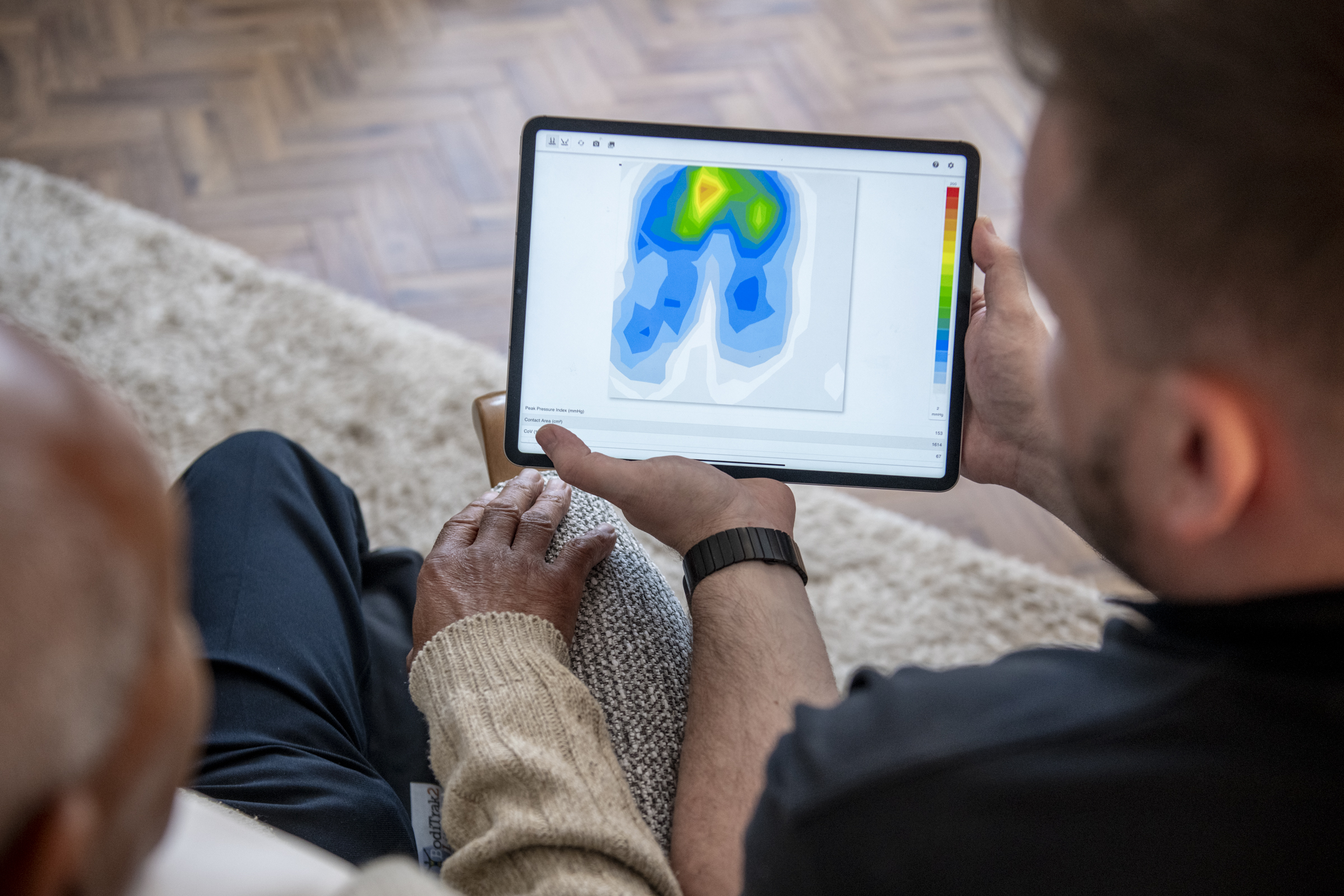
Supports pressure management
Appropriate cushioning and positioning can help redistribute pressure during prolonged sitting, particularly where reduced sensation or mobility makes pressure care an important consideration.
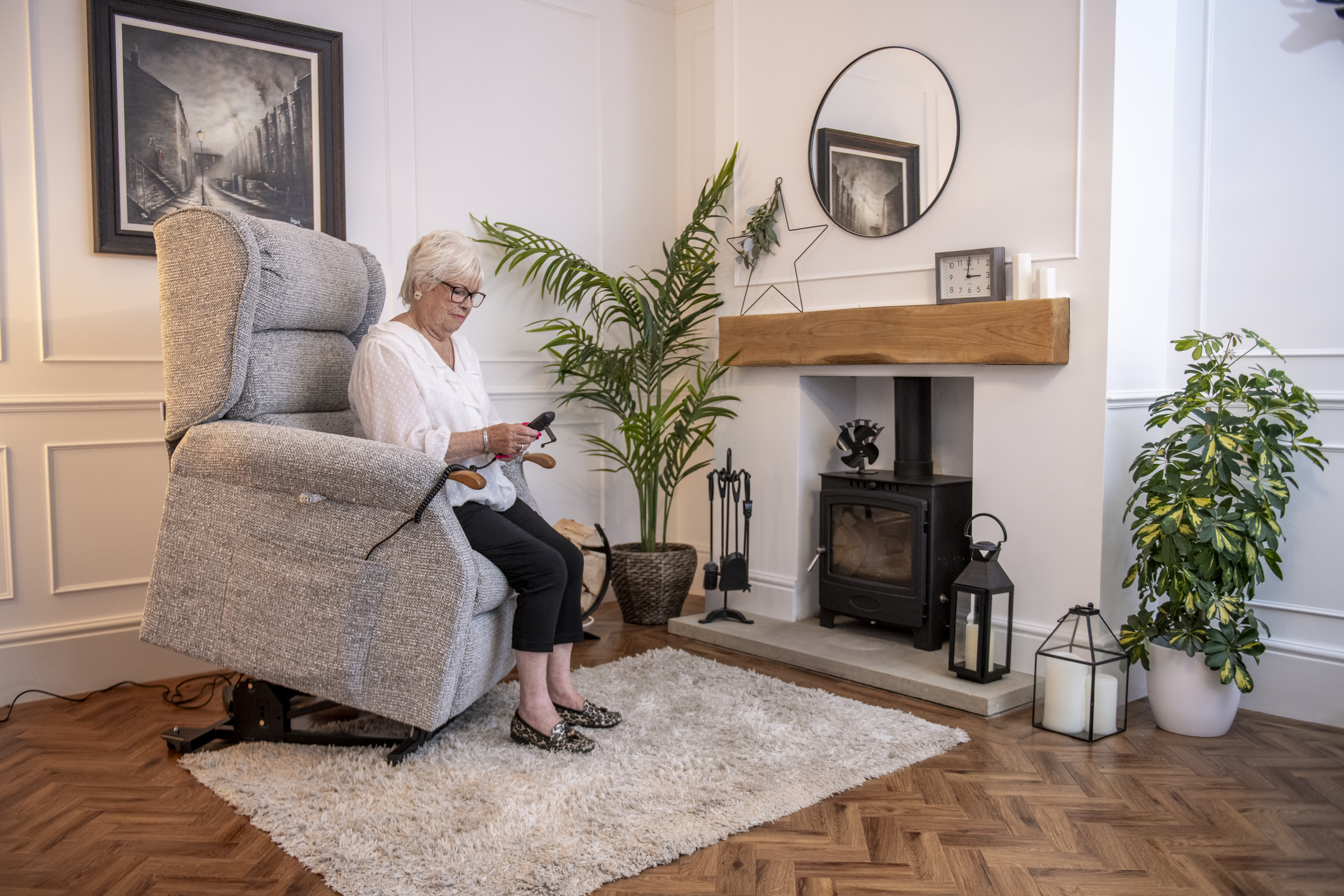
Improves stability and positioning
Support around the pelvis, torso and limbs can help maintain a more stable sitting position when muscle weakness or reduced balance makes sitting securely more difficult.
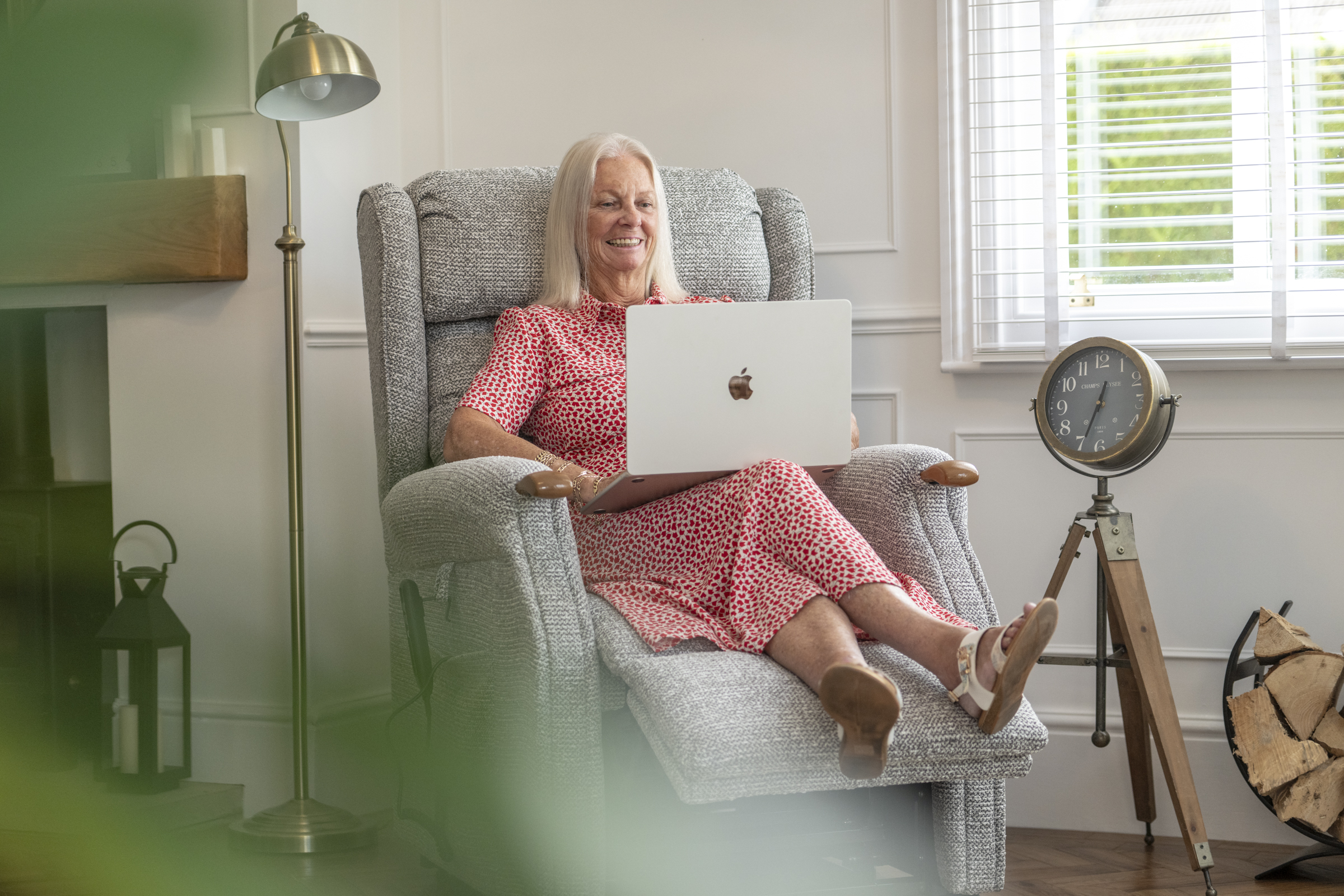
Enhances comfort
Supportive cushioning and adjustable positioning can help individuals find a comfortable sitting position, particularly when neuropathic pain or sensitivity makes certain positions uncomfortable.
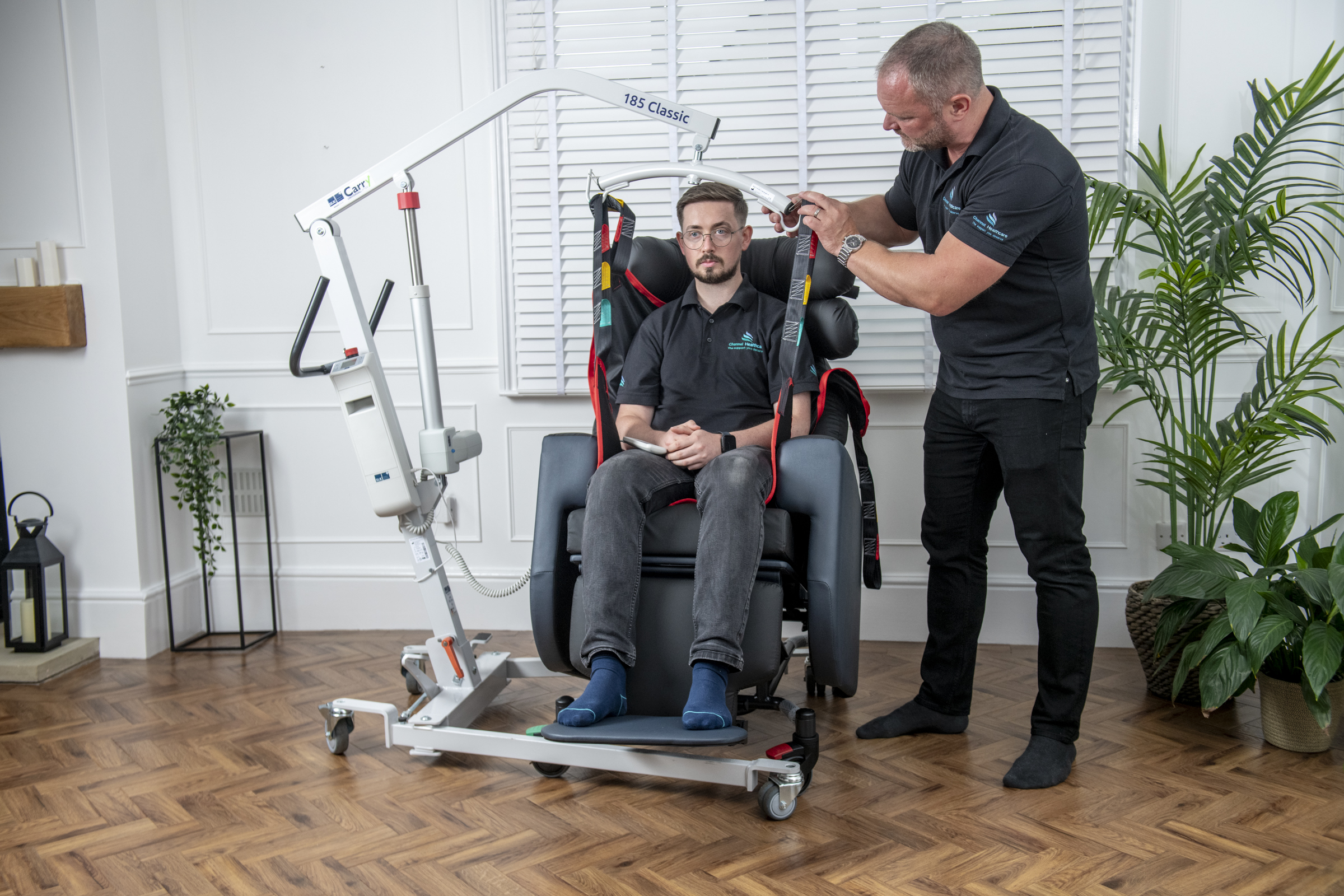
Assists with transfers
Rise and recline functions can reduce the physical effort involved in moving between sitting and standing when weakness, balance problems or reduced mobility make transfers more challenging.
.jpg)
Supports safer everyday movement
A well-fitted chair can provide a stable base for sitting and preparing to stand, helping individuals feel more secure when their balance, coordination or lower-limb strength is affected.
Adapts to individual needs
Neuropathy symptoms and mobility needs can vary between individuals and may change over time. Adjustable specialist seating can be configured around changes in comfort, positioning, pressure care and mobility.
Finding a Specialist Chair That Suits Your Needs
When neuropathy affects sensation, strength, balance or mobility, choosing the right chair can help make everyday sitting and movement more comfortable and manageable. If you're looking for a specialist chair for neuropathy, browse our range below or use our Chair Selector Tool to find a suitable option based on your posture, mobility, comfort and support needs.
.webp)
Platinum Bespoke Riser Recliner
Built exclusively for you, with endless customisation options, a wide range of accessories and matching sofas, the ultimate in personalised seating.
Perfect for:
- Back/Spine Issues
- Posture Issues
- Leg/Hip Issues
- Difficulty with Movement
- Arm/Shoulder Issues

.webp)
Mabel Riser Recliner
Long-term, customisable comfort for you, your family member or client, with matching sofa options so it fits seamlessly into your home.
Perfect for:
- Back/Spine Issues
- Leg/Hip Issues
- Difficulty with Movement
- Arm/Shoulder Issues
- Head/Neck Issues
.webp)
Lilley Riser Recliner
Customisable comfort, support and style - Lilley’s lateral back provides optimal postural support with motorised options for effortless sit-to-stand transitions.
Perfect for:
- Back/Spine Issues
- Difficulty with Movement
- Arm/Shoulder Issues
- Leg/Hip Issues
- Circulation Issues
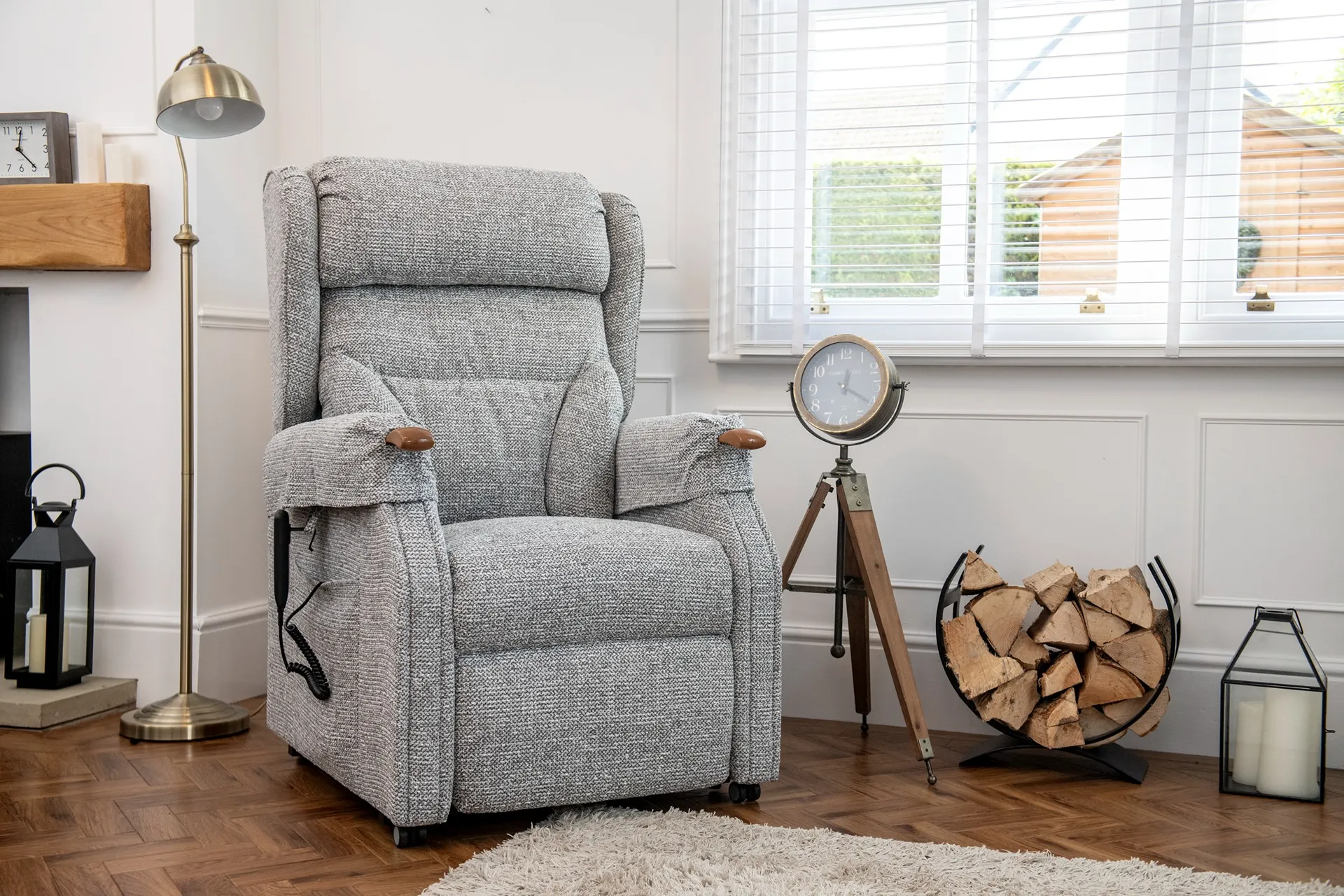
Evelyn Riser Recliner
Optimal lumbar and back support to take the pressure off where it matters most, with Tilt-in-Space and matching sofa options available.
Perfect for:
- Back/Spine Issues
- Leg/Hip Issues
- Arm/Shoulder Issues
- Posture Issues
- Difficulty with Movement
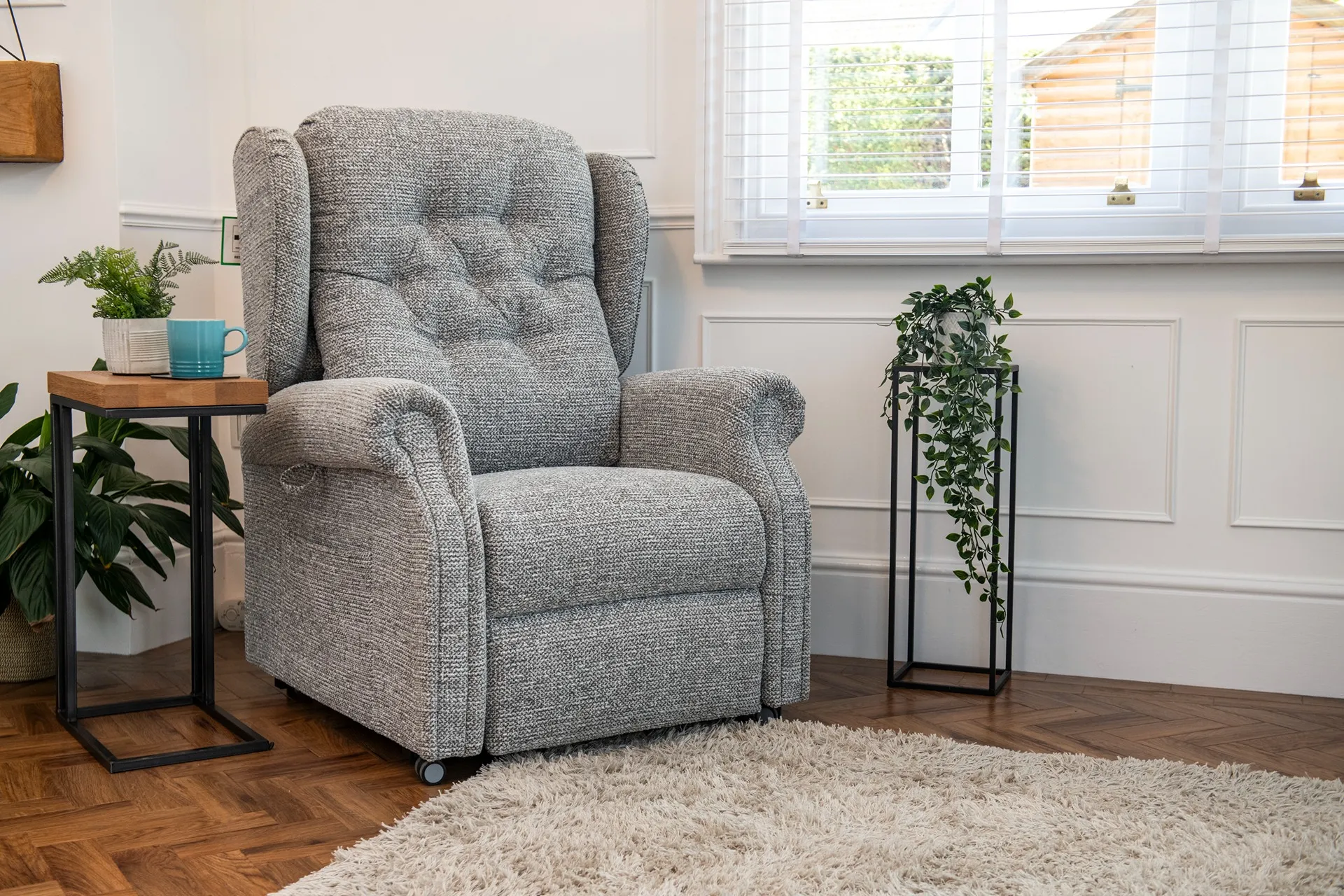
Erin Riser Recliner
Button-backed styling with a range of motorised positioning options, plus optional neck roll and head cushion for even greater individual support.
Perfect for:
- Back/Spine Issues
- Leg/Hip Issues
- Difficulty with Movement
- Arm/Shoulder Issues
- Circulation Issues

Freya Riser Recliner
Versatile, practical and comfortable, with motorised options and two-tier back cushions to maintain a comfortable sitting position throughout the day.
Perfect for:
- Back/Spine Issues
- Leg/Hip Issues
- Difficulty with Movement
- Arm/Shoulder Issues
- Circulation Issues

Eden Riser Recliner
Choose from two motorised options for full body position control at the touch of a button, designed for comfort, control and individual needs.
Perfect for:
- Back/Spine Issues
- Posture Issues
- Leg/Hip Issues
- Difficulty with Movement
- Arm/Shoulder Issues
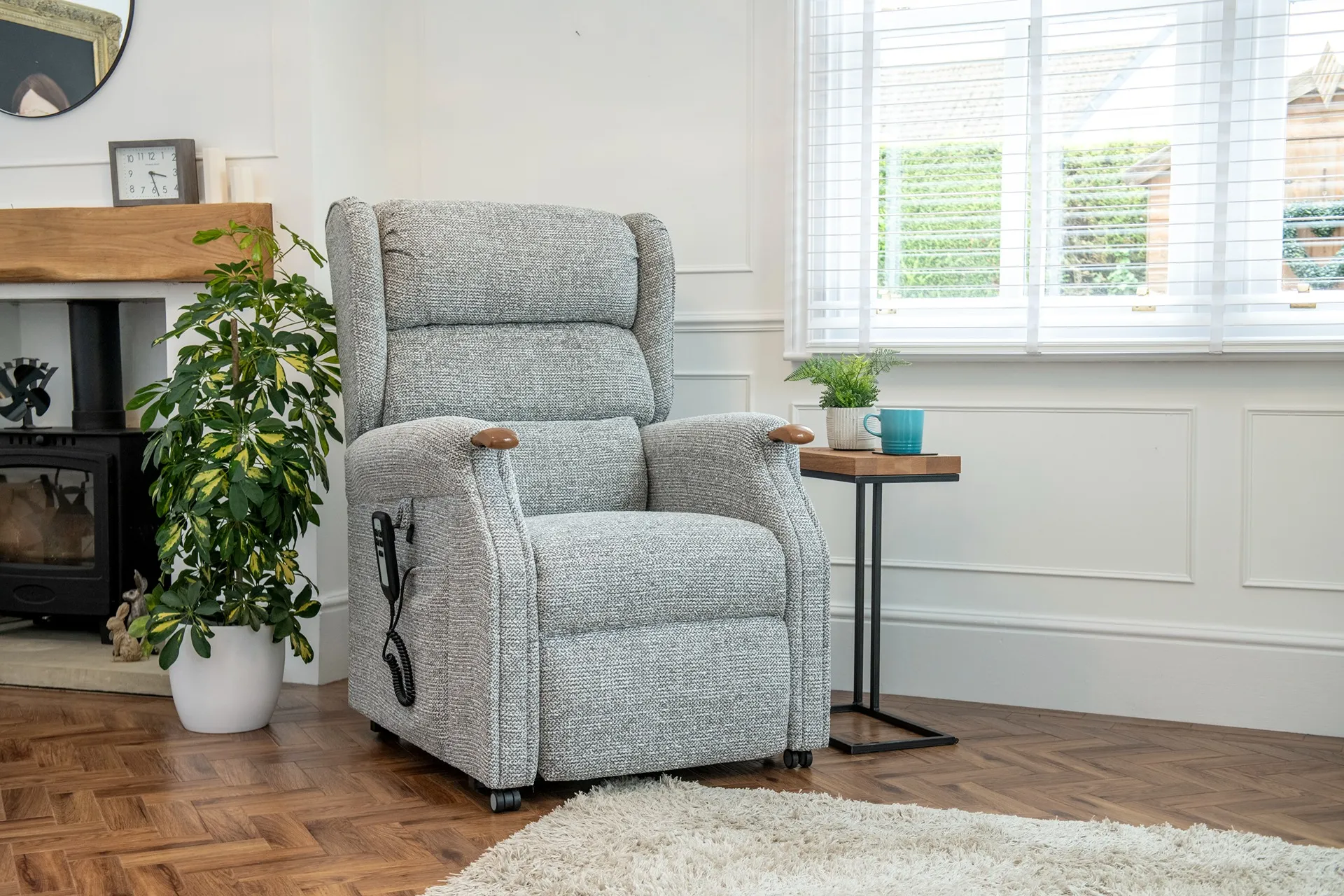
Connie Riser Recliner
Traditional elegance meets advanced support - Connie’s Tilt-in-Space functionality and waterfall back cushions offer a comfortable, supportive transition from sitting to standing.
Perfect for:
- Back/Spine Issues
- Leg/Hip Issues
- Difficulty with Movement
- Arm/Shoulder Issues
- Head/Neck Issues

Pressure and comfort support
Supportive cushioning and positioning can help manage pressure and improve comfort for people experiencing reduced sensation, increased sensitivity or extended periods of sitting.
Stability and security
Appropriate postural support can provide greater stability when weakness, balance difficulties or changes in coordination make sitting and standing more challenging.
Enhanced independence
Rise, recline and adjustable positioning functions can make it easier to change position and move between sitting and standing, supporting greater independence with everyday activities.
Neuropathy can affect sensation, muscle strength, balance and movement in different ways, so the right seating solution should be based on the individual rather than the diagnosis alone. From providing additional cushioning to supporting posture and transfers, specialist seating can be configured around the areas where support is needed most.
- Pressure-relieving cushioning
- Stable postural support
- Adjustable positioning
- Rise and recline functionality
- Support for reduced mobility
- Individual sizing and configuration
Our process
Your home is your sanctuary. We understand that having someone in your space can be an unsettling experience, but that’s where we’re different. We’re warm, friendly and we don’t believe in the hard sell - we believe in finding a solution that meets your needs. It’s as simple as that.
And, for extra peace of mind, not only is every one of our seating specialists DBS checked, but we expect every member of our team to adhere to our strict Channel Code of Conduct. Giving peace of mind that you’ll receive the very best service, every time.
Let's Talk
We will call to discuss what you need, why you need it and explore how we can best support you.
Book a visit
One of our seating consultants will book in for a home visit, usually within 7 days of your initial call.
Home Consultation
Our seating consultant will bring a demo chair for you to try. From there, we’ll establish how we can design a chair that fits you.
Custom Sizing
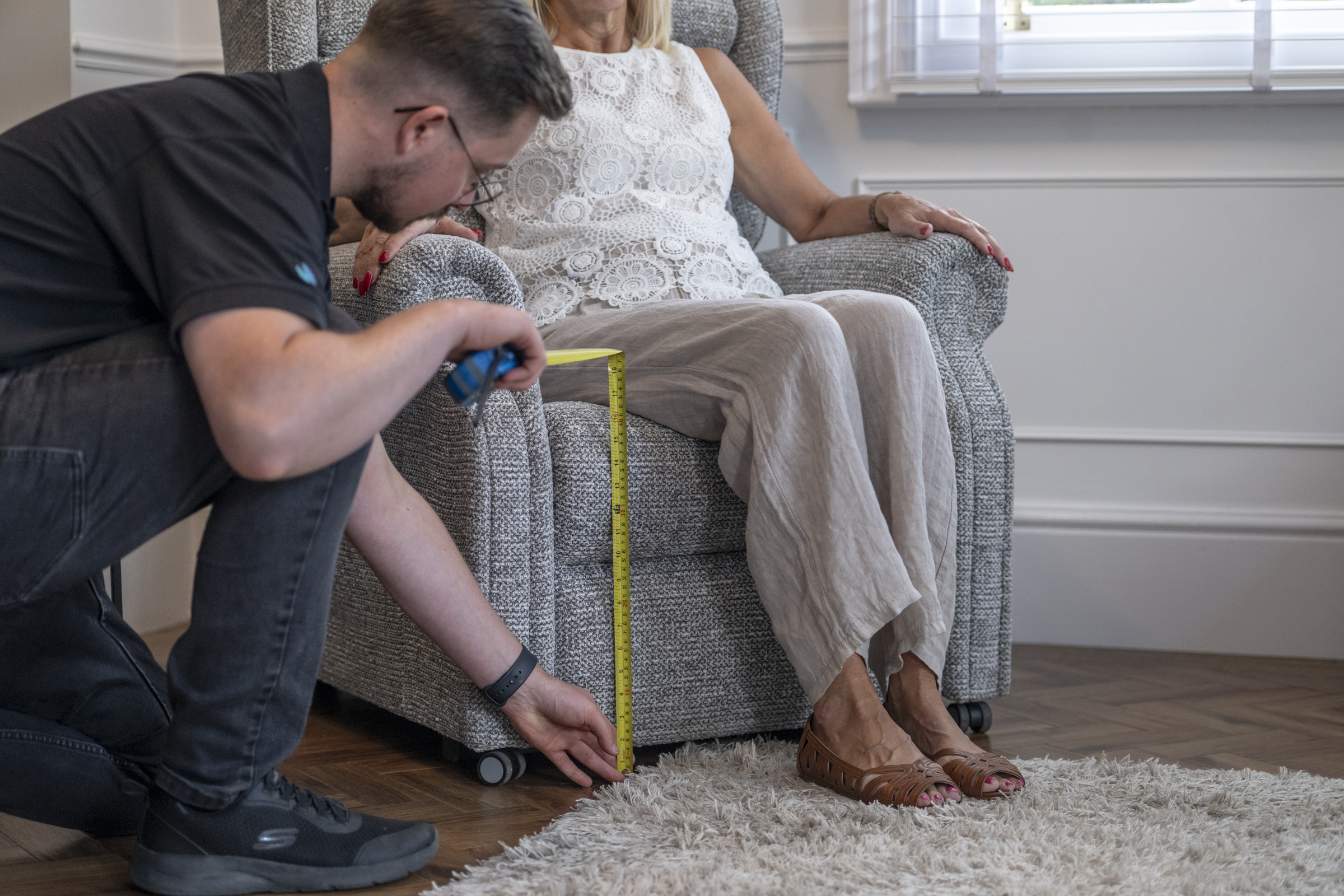
The main event! We will measure you in the chair to make sure your new chair will fit you absolutely perfectly.
No Pressure Quote
We’ll leave a quote with you to think over. No pressure. No deadlines. And, if you do decide to buy, we’ll send your order directly to the factory as soon as you’re ready.
Request a brochure
Finding the right seating solution is a deeply personal journey, and at Channel Healthcare, we believe you shouldn't have to navigate it alone.
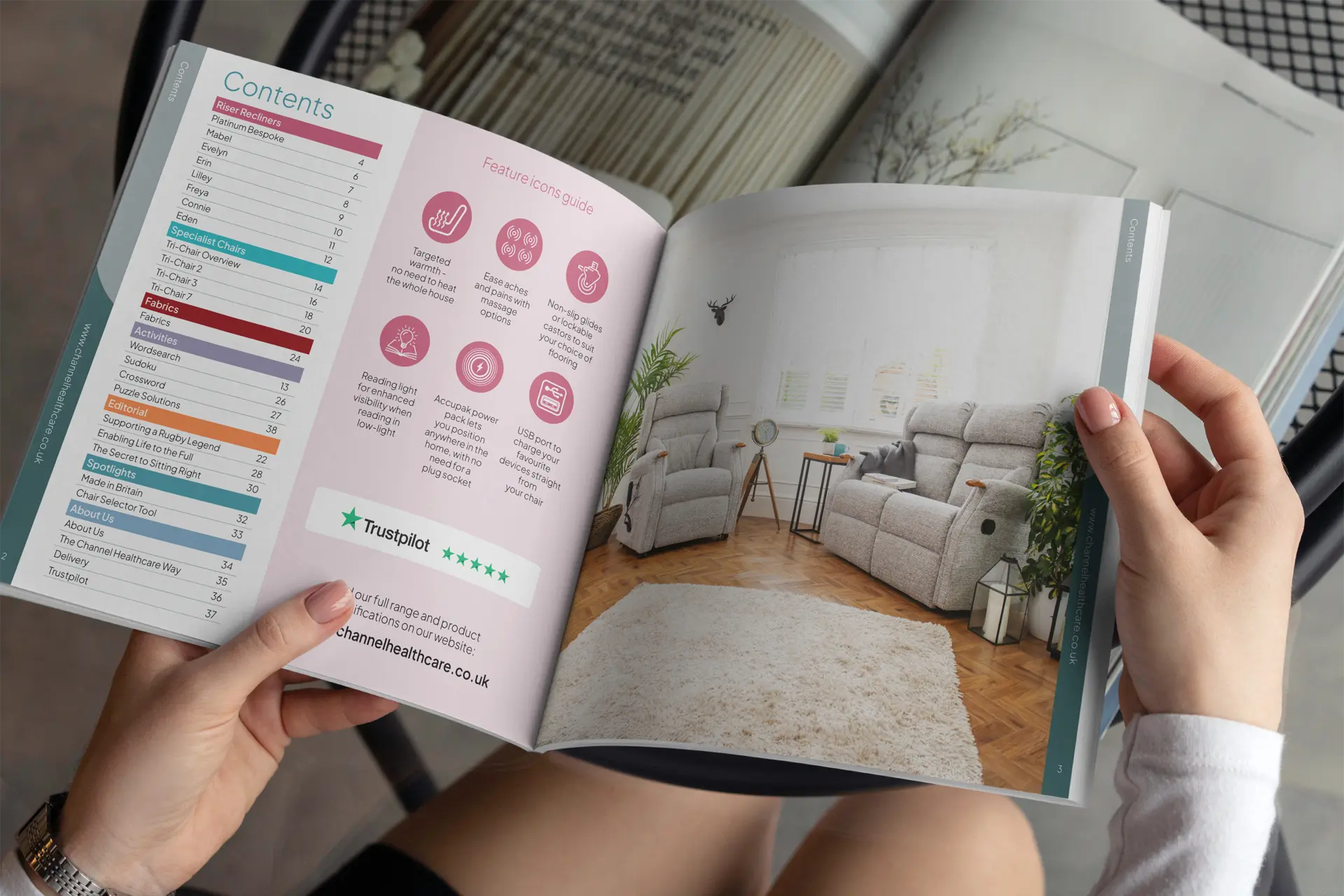
Our brochure brings everything you need together in one place - from our full range of needs-led seating solutions (matched to you using our OT-designed Chair Selector Tool) to expert advice from our team and our network of Occupational Therapists.

Quality You Can Trust, Made in Britain
When it comes to uncompromising quality standards and top quality materials, we believe that British is best. That’s why we’re passionate about keeping as much of our process as possible right here in the British Isles.
That means that everything from our riser recliners to the components that make our seating and mobility solutions the go-to choice, are made in Britain.
Hand-built at our factories and warehouses in the UK, using market-leading British engineered steel components, every frame, every stitch and every innovative feature is hand-crafted by our team of expert craftspeople. For the highest quality, maximum comfort and a solution built for each user’s needs - every time.
Introducing our Chair Selector Tool
At Channel Healthcare, we understand that choosing the right chair is a hugely personal decision. But we also understand that it can be an overwhelming decision too.
That’s why we developed our innovative Chair Selector Tool. Designed in collaboration with Occupational Therapists, our Chair Selector Tool eases the feeling of overwhelm by helping to narrow down our extensive range of products, matching you with the products that can best support you or your loved one.
Yes. If neuropathy has affected someone's sensation, strength or mobility, it may not be obvious which seating features will be most useful. Channel Healthcare can discuss their needs with you and, where appropriate, work alongside their Occupational Therapist or healthcare team to help find a suitable solution.
Yes. Channel Healthcare can work alongside Occupational Therapists and other healthcare professionals, taking their recommendations into account when identifying suitable seating features and configurations.
Yes. Specialist seating can be designed for everyday use at home, whether additional support is needed throughout the day or primarily for rest, positioning or transfers.
There is no single chair that is right for everyone with neuropathy. The most suitable option will depend on factors such as sensation, pain, posture, mobility, balance, ability to transfer and the amount of time spent sitting. Channel Healthcare can talk through your requirements and help identify appropriate features.
Muscle weakness can make maintaining a position or moving between sitting and standing more difficult. Specialist seating can provide additional postural support, while powered positioning or rise functions may make certain movements easier to manage.
If reduced balance or coordination makes sitting less stable, appropriate support around the pelvis and trunk can help provide a more secure sitting position. The level of support required will depend on the individual's needs.
It may help where neuropathy has affected strength, balance or mobility. Rise and recline functions can bring the user into a more accessible position for standing and reduce some of the physical effort involved in sitting down and getting up.
Specialist seating cannot treat nerve pain itself, but supportive cushioning and adjustable positioning may help someone find a more comfortable sitting position and avoid positions that aggravate discomfort.
A chair cannot restore sensation, but appropriate seating can provide supportive positioning and pressure redistribution where reduced sensation makes it harder to recognise discomfort or pressure while sitting.
Yes, and it can be particularly important if neuropathy has caused reduced sensation or where someone has limited mobility and spends long periods sitting. Appropriate cushioning and positioning can help redistribute pressure, while individual assessment can determine whether additional pressure-care features are needed.
No. Specialist seating does not treat the underlying nerve damage or cause of neuropathy, but it is designed to support the practical effects that symptoms can have on sitting, positioning, comfort and mobility.
Yes. Depending on the symptoms experienced, specialist seating can provide additional support with comfort, posture, pressure management, stability and transfers. The right features will depend on how neuropathy affects the individual.

Find out how we can support your journey towards greater comfort and independence.